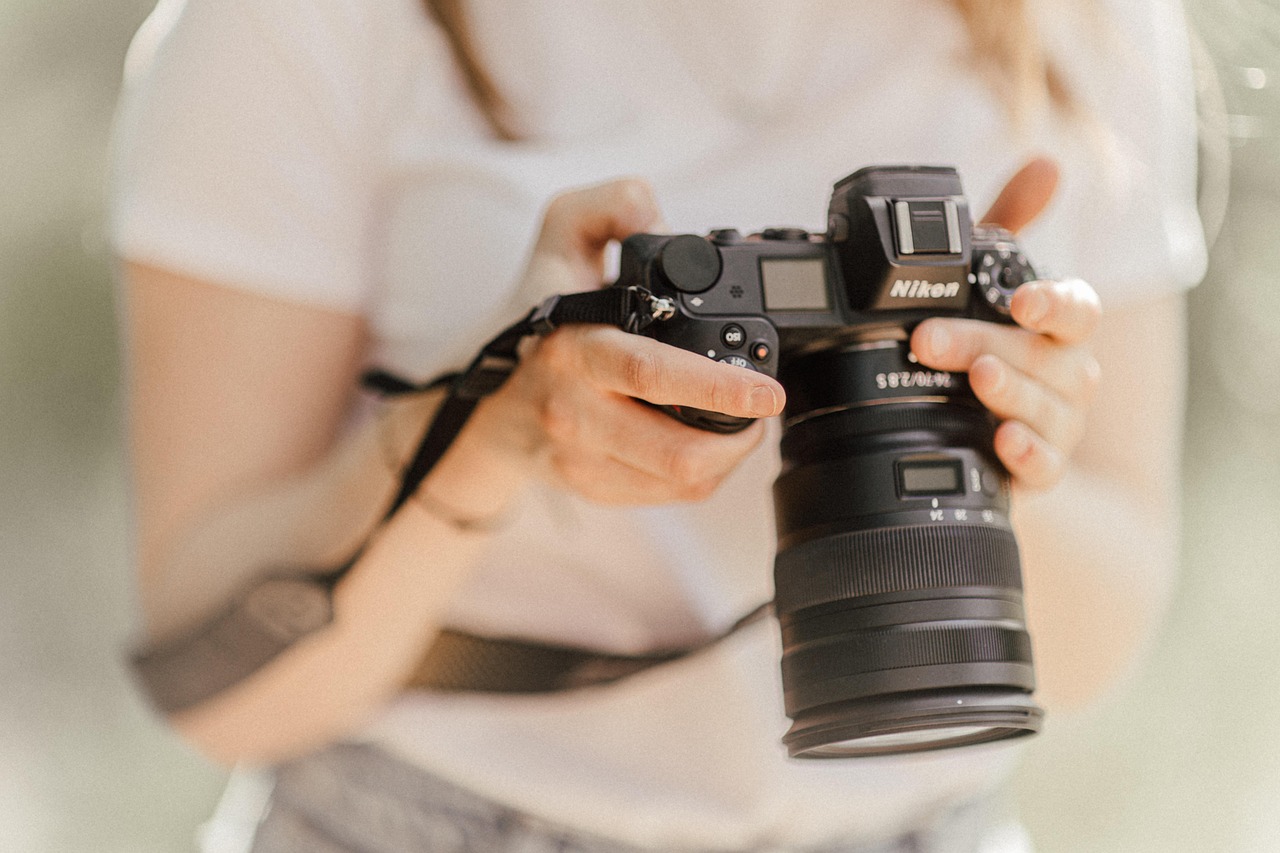
We treat our technology like either a servant or a master. We bark commands at our phones, feel enslaved by our notification feeds, and blame our laptops for being slow. This dynamic is exhausting. It’s time for a new paradigm. What if we stopped using our tech and started partnering with it? Imagine your devices not as tools, but as a loyal, highly skilled co-pilot on your creative and productive journeys. The pilot is always you, but a good co-pilot makes the entire flight smoother, safer, and more enjoyable.
From Command Line to Conversation
Using a servant requires simple, direct commands. Partnering with a co-pilot requires a shared language and a common goal.
· The “Why” Behind the “What”: You don’t just tell your co-pilot “open the camera app.” You share the intent: “I want to capture the soft morning light on this building.” This shift in mindset changes how you interact. You might then manually adjust the exposure (your job as pilot) to get the exact look you want, while trusting the camera’s excellent sensor (the co-pilot’s job) to capture the rich data. You’re working in concert.
· Leveraging Strengths, Mitigating Weaknesses: A good pilot knows their co-pilot’s strengths. Your phone’s co-pilot is brilliant at computational photography—stitching together HDR images or creating a perfect portrait-mode blur. Let it handle that. Your job as the creative pilot is composition, timing, and emotion. Conversely, you know your co-pilot is easily distracted by notifications. So, you put it in “Focus Mode” before you begin your creative flight. You’re managing the cockpit environment.
Ground Your Co-Pilot: The Power of Intentional Limits
An overzealous co-pilot can be a nuisance. A good one knows when to be quiet and when the autopilot needs to be disengaged.
· The Full-Screen Cockpit: When you’re writing or editing, you don’t want your co-pilot suggesting other websites or displaying new emails. You engage “full-screen mode.” This is the equivalent of telling your co-pilot, “I have the controls. Quiet in the cockpit.” It’s a deliberate signal to both you and the machine that it’s time for deep, uninterrupted work.
· The Scheduled Pre-Flight Check: You wouldn’t take off without checking your fuel and systems. Don’t start your day without a “pre-flight check” of your digital co-pilot. A five-minute ritual each morning to review your calendar, clear your desktop, and set your priorities tells your co-pilot (and your own brain) the intended flight plan for the day.

We often choose devices based on a list of features, like picking a jukebox with the most songs. But a co-pilot is chosen for their temperament and how well they mesh with your flying style.
· The Deliberate Co-Pilot (Fujifilm Cameras): A Fujifilm camera, with its physical dials for shutter speed and ISO, is a co-pilot that encourages manual, intentional control. It gives you direct access to the core functions of flight, making you a more skilled and engaged pilot. It’s for the person who enjoys the process of flying itself.
· The “Just Get the Shot” Co-Pilot (Modern Smartphones): A Google Pixel or latest iPhone is a co-pilot that excels at handling the complex calculations for you. You point, you frame, and it ensures the technical outcome is brilliant. It’s perfect for the pilot who wants to focus purely on the destination (the moment) without worrying about the technicalities of the flight.
· The “No-Nonsense” Co-Pilot (A ThinkPad Laptop): This co-pilot isn’t flashy. It has a fantastic keyboard (the primary control yoke), incredible reliability, and a no-distractions design. It’s built for long-haul flights through complex data and demanding workloads. It doesn’t chat much; it just does its job impeccably.
The Trust Fall: Letting Your Co-Pilot Handle the Routine
The final stage of this partnership is trust. You must learn to let your co-pilot handle the routine tasks so you can focus on the horizon.
· Automate the Boring Stuff: Set up automated backups. Use smart album creation in your photo app. Create email filters. This is the equivalent of letting your co-pilot manage the cabin pressure and fuel mix. It frees you up to navigate, to make strategic decisions, and to enjoy the view.
· Embrace the “Good Enough” Landing: Perfectionism is the enemy of a good partnership. Your co-pilot’s computational photo might not be “technically perfect” like a RAW file from a dedicated camera, but if it captures a fleeting, priceless moment with your family, it’s the perfect tool for that job. Don’t let the pursuit of ideal settings cause you to miss the shot entirely.
The goal of the Co-Pilot Manifesto is to end the adversarial relationship. Your technology is not there to compete with you, distract you, or judge you. At its best, it’s a silent, capable partner that handles the underlying complexity, respects your command, and empowers you to go further and create more than you ever could alone. So, the next time you pick up your device, don’t just use it. Brief it. Partner with it. And together, create something remarkable.