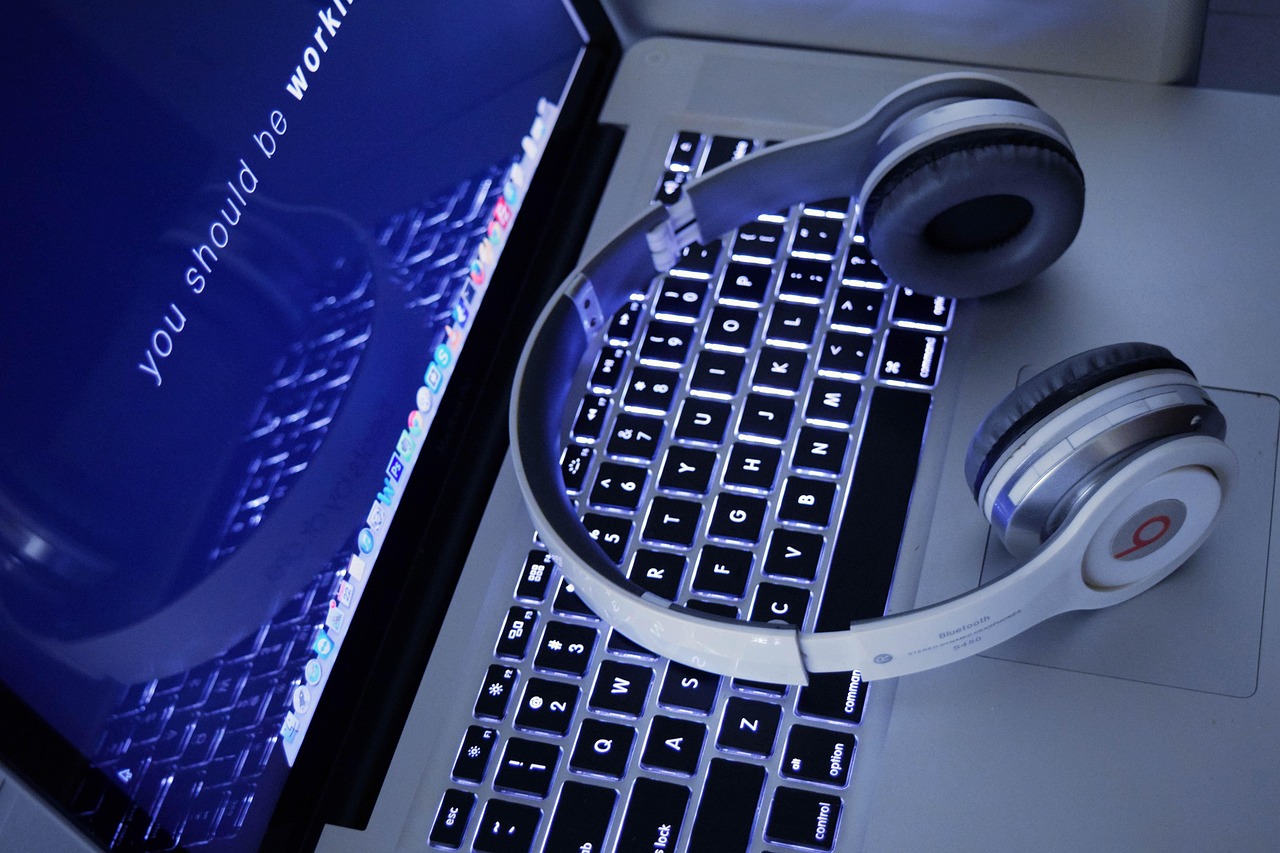
We live in a world of digital perfection. Our phones correct our photos, our writing apps fix our grammar, and our music streams offer endlessly optimized playlists. This seamless digital experience has an unexpected cost: it’s slowly erasing the texture, the friction, and the happy accidents that make creative work deeply human. The most sophisticated tech users are discovering a secret weapon in their arsenal—the deliberate, strategic use of analog tools as a counterweight to digital sterility.
This isn’t about being a Luddite. It’s about building a hybrid ecosystem where digital power and analog soul coexist, each playing to their strengths. The goal is not to replace your devices, but to balance them with tools that engage different parts of your brain and reintroduce the human element that algorithms can’t replicate.

In the age of instant digital previews, we’ve lost one of photography’s greatest gifts: anticipation. The film camera, whether a vintage SLR or a modern instant camera, forces a different relationship with your subject.
· The Discipline of a Finite Roll: With only 24 or 36 exposures, you can’t machine-gun your way to a good shot. You must slow down, consider your composition, and wait for the decisive moment. This constraint isn’t a limitation; it’s a teacher. It trains your eye to see more deeply before you ever press the shutter.
· The Gift of Imperfection: A light leak, a slightly missed focus, or the unique grain of a particular film stock—these “flaws” are what give a photograph character. They are the human fingerprints on the image, the evidence of a physical process. In a world of computationally perfect smartphone images, these imperfections become a form of signature and style.
The Notebook That Never Crashes: The Ultimate Reliable System
For all the power of note-taking apps, they share a common vulnerability: they exist on devices filled with distractions. The humble notebook offers something no app can: pure, undivided cognitive space.
· The Neurological Advantage: The physical act of writing by hand engages the brain in a more complex way than typing. It slows you down just enough to encourage synthesis and original thought, rather than mere transcription. Your notebook becomes a playground for ideas, where messy sketches can live alongside half-formed sentences, free from the formatting constraints of a digital document.
· The Unbeatable User Interface: A notebook has infinite battery life, boots instantly, and has a search function powered by your own memory and physical tabs. It is immune to software updates, cloud sync errors, and the temptation to switch to another app. For brainstorming, journaling, and working through complex problems, it remains the most reliable technology ever invented.
The Hi-Fi That Doesn’t Track You: The Joy of Curated Sound
Algorithmic music streaming is a miracle of convenience, but it has turned listening into a passive experience. The resurgence of vinyl records and high-quality audio gear is a direct response to this.
· The Ritual of Listening: Selecting a record, carefully placing the needle, and sitting down to listen to an entire album side is an act of intentionality. It’s the opposite of skipping through a playlist. You commit to the artist’s intended journey, experiencing the ebbs and flows of the music as a cohesive whole.
· The Physics of Sound: There’s a warmth and richness to analog sound that even high-resolution digital streams can struggle to replicate. The subtle cracks and pops of a vinyl record aren’t seen as noise, but as part of the authentic experience—a reminder that you’re listening to a physical object with its own history.
Building Your Balanced Toolkit
The most effective creative professionals aren’t digital purists; they are ecosystem architects. They know when to reach for the raw power of their digital tools and when to step back into the analog world for a different kind of thinking.
· The Hybrid Workflow: A project might start as messy sketches in a notebook, move to a digital platform for execution and collaboration, and then use a printed proof for final edits—where the physical format often reveals errors a screen hides.
· The Analog Sabbath: Many now practice a weekly “analog Sabbath”—a day where they step away from digital tools entirely. They read physical books, write with pen and paper, and listen to records. This isn’t a detox; it’s a recalibration, a way to remind their brains what it feels like to think without a hyperlink in sight.
The ultimate goal is not to choose between analog and digital, but to master the art of transition between them. Your film camera will teach you lessons about light that you’ll apply to your digital photography. Your notebook will help you formulate ideas you can later execute with digital efficiency. Your record player will train your ear to appreciate the albums you stream.
In a world pushing us toward ever more seamless digital immersion, the analog counterweight provides the necessary friction for creativity to spark. It’s the grit in the oyster that makes the pearl. The most advanced tech setup, it turns out, has a well-sharpened pencil sitting right beside the keyboard.