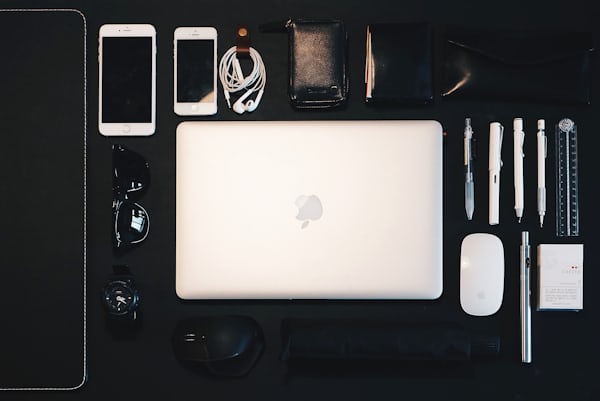
We’ve all experienced it: you sit down to create, armed with your powerful laptop, your sophisticated software, and your high-speed internet connection. Three hours later, you’ve scrolled through endless feeds, watched six “inspirational” tutorials, and organized your files into beautifully labeled folders—but created nothing. Our digital tools, designed to empower creativity, have become its greatest obstacle. The distance between having creative tools and doing creative work has never been wider.
The problem isn’t the technology itself, but how we relate to it. We’ve fallen for what psychologists call “productive procrastination”—the illusion that organizing our tools, learning new features, or consuming endless inspiration is the same as creating. Meanwhile, the actual work remains undone. The solution requires rebuilding our creative process from the ground up, with technology serving as the engine rather than the destination.
The Setup Paradox: When Preparation Becomes Procrastination
Modern creative software offers an overwhelming array of options. Video editors come with hundreds of effects, writing apps with countless formatting choices, and photo editors with layers upon layers of adjustment possibilities. This abundance creates what psychologist Barry Schwartz calls “the paradox of choice”—too many options lead to decision paralysis.
The professional creator understands this trap and develops what we might call “creative constraints.” They limit their palette to a few trusted tools. They work within self-imposed boundaries—using only three typefaces for a design project, shooting with a single prime lens, or writing with a minimalist text editor that hides all formatting options. These constraints aren’t limitations; they’re liberations. By removing endless choices, they force you to focus on what actually matters: the work itself.
The most successful creators develop what we might call “creative immediacy”—the ability to move from idea to execution with minimal friction. This means having templates ready for common projects, keeping your most important tools one click away, and eliminating the setup process that so often becomes procrastination in disguise.

Creative work demands what psychologist Mihaly Csikszentmihalyi called “flow state”—that magical zone where time disappears and ideas flow effortlessly. But flow state has an enemy: interruption. Research from University of California Irvine found that it takes an average of 23 minutes to return to deep focus after an interruption. At that rate, checking your phone just three times during a work session costs you nearly an hour of productive focus.
The solution isn’t willpower—it’s system design. Successful creators build what we might call “attention moats” around their creative time. They use focus apps that block distracting websites, put their phones in another room, and communicate clear boundaries to colleagues and family. More importantly, they recognize that creativity has its own rhythm and schedule their most demanding creative work for their personal peak hours.
The most sophisticated creative setup is worthless if you never achieve the focus required to use it. That’s why the true professionals invest as much in protecting their attention as they do in acquiring new tools. They understand that the quality of their attention determines the quality of their creations.
From Consumption to Creation: Retraining Your Digital Habits
Our devices have trained us to be exceptional consumers but mediocre creators. The endless scroll, the algorithmically-curated feeds, the instant gratification of new content—these patterns rewire our brains for passive reception rather than active creation.
The shift begins with what we might call “input hygiene.” Just as athletes monitor their physical nutrition, creators must curate their mental inputs. This means being ruthless about what you consume, when you consume it, and how it affects your creative mindset. Many successful creators practice “creative mornings”—protecting the first hours of their day for output before allowing any input.
The transformation continues with what behavioral scientists call “habit stacking”—attaching new creative habits to existing routines. Perhaps you write for thirty minutes after your morning coffee, or sketch ideas while waiting for meetings to start. The key is making creation so automatic that it happens before resistance has time to mount.
The Tool Mastery Myth: Why Depth Trumps Breadth
We’re often tempted by the newest software, the latest plugin, the shiniest gadget. But professional creators understand the power of what we might call “tool intimacy”—knowing a few tools so deeply that they become extensions of your mind.
Consider the musician who knows their instrument so well they forget they’re holding it. Or the writer so familiar with their word processor that the interface disappears. This level of mastery doesn’t come from constantly switching tools, but from committing to them long enough to move past conscious competence into unconscious mastery.
The most creative breakthroughs often happen not when we learn new tools, but when we discover new ways to use the tools we already have. That unexpected combination of familiar features, that workaround born of limitation, that deep understanding of what our tools can do when pushed beyond their intended use—this is where true creative innovation lives.
The Output Imperative: Measuring What Actually Matters
In the world of digital creation, it’s easy to confuse activity with progress. We measure our time in apps, our number of files, our software proficiency. But these are vanity metrics. The only measurement that matters for creators is output.
Establish what novelist Steven Pressfield calls “the professional’s mindset”—showing up consistently and doing the work regardless of inspiration. Set output-based goals: words written, compositions completed, designs finished. Track your actual creations, not your preparation for creating.
The most sophisticated creative setup, the most powerful software, the most expensive hardware—all of it means nothing without the finished work. Your tools should serve your creations, not become substitutes for them