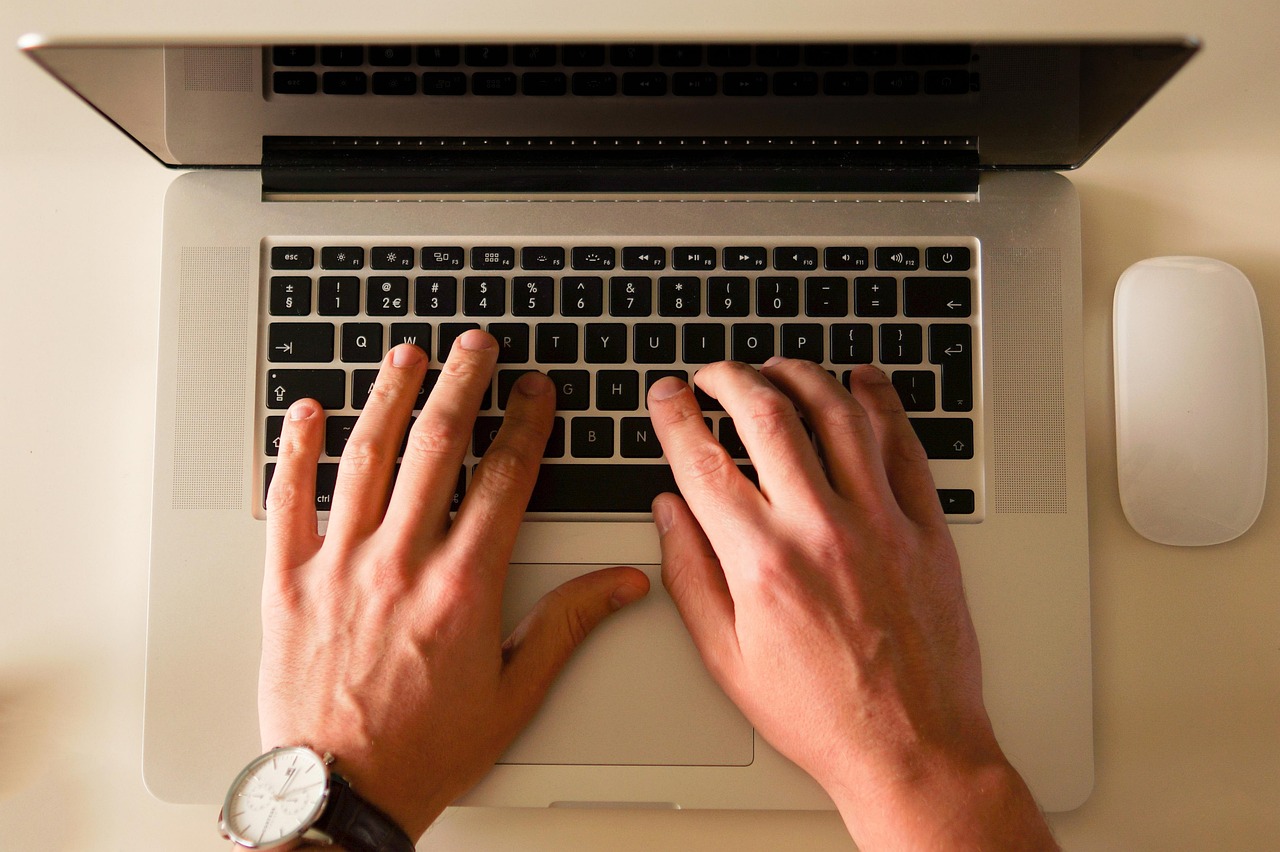
There’s a moment in the mastery of any tool when it ceases to be an object you use and becomes an extension of who you are. The painter doesn’t think about their brush; they think about the stroke. The musician doesn’t contemplate their instrument; they feel the music. Yet with our modern technology, most of us never reach this state. We remain perpetually aware of the device in our hand, the operating system we’re using, the settings we need to adjust. We’re always interfacing with our technology, never inhabiting it. The ultimate goal is not to have better technology, but to have technology that becomes invisible—a silent, powerful engine that drives our creativity and productivity without ever demanding we look under the hood.
This state of technological flow is increasingly rare in a world of constant updates, permission requests, and feature creep. Our devices buzz with what can only be described as digital neediness, constantly reminding us of their presence and their demands. The promise of seamless computing has been replaced by the reality of constant maintenance. But it doesn’t have to be this way. With intentional design and conscious habit formation, we can build a relationship with our tools where they recede into the background, allowing our attention to remain fully on what matters: our work, our creativity, our lives.
The Architecture of Invisibility: Designing for Focus
The path to technological invisibility begins with ruthless simplification. Most of our devices arrive configured for maximum engagement, not maximum focus. The first step is to perform what might be called a “cognitive declutter”—removing everything that doesn’t serve your primary purposes.
Start with notifications. Every alert, badge, and banner is a tiny fracture in your attention. The rule should be simple: if it’s not from a human being you know, about something time-sensitive, it doesn’t get to interrupt you. This single change transforms your devices from sources of interruption to tools of intention.
Next, consider your interfaces. The default settings on most devices are designed for novelty and discovery, not deep work. Organize your home screens and docks to contain only essential tools. Use folders liberally. Better yet, use your device’s search function as your primary navigation method. When you remove the visual clutter of endless apps, you remove the cognitive load of constant choice.

Certain tools and practices can help accelerate the transition from technological awareness to technological flow. Full-screen applications are perhaps the most powerful—when your writing app or coding environment is the only thing visible, your mind has nowhere to wander. The tool doesn’t disappear because it’s gone; it disappears because it has become your entire world.
Similarly, dedicated devices often foster deeper focus than general-purpose ones. The novelist who writes on a distraction-free word processor, the photographer who shoots with a camera that has physical dials instead of touchscreen menus, the musician who uses a simple recorder to capture ideas—all understand that limitations breed creativity. When a tool does one thing well, you stop thinking about the tool and start thinking about the work.
This principle extends to our digital environments as well. Using website blockers during work hours, creating separate user accounts for work and leisure, even something as simple as turning on Do Not Disturb—these aren’t restrictions on your freedom. They’re the guardrails that keep you in a state of flow.
The Analog Bridge: Why the Physical World Still Matters
Paradoxically, the path to better technology often involves stepping away from it. The most technologically fluent people frequently incorporate analog tools into their workflows precisely because they offer a different kind of focus. A notebook for brainstorming, a whiteboard for mapping ideas, a printed draft for editing—these tools don’t ping, update, or notify. They create a space for thinking that digital tools, for all their power, often disrupt.
This isn’t nostalgia; it’s cognitive science. The physical act of writing engages the brain differently than typing. The spatial arrangement of ideas on a whiteboard facilitates connections that a linear document might miss. The tactile experience of reading on paper creates a different kind of engagement with text. The most sophisticated digital workflow often includes these analog bridges precisely because they help maintain the state of flow that pure digital tools can so easily disrupt.
The Invisible Engine in Practice
When technology truly becomes invisible, something remarkable happens. You don’t think about which button to press on your camera; you just capture the moment. You don’t struggle with your word processor’s interface; the words simply flow. You don’t waste mental energy on software updates or compatibility issues; your tools just work.
This state isn’t about having the newest or most expensive gear. In fact, older, simpler tools often achieve invisibility more readily because their capabilities are well-understood and their interfaces are stable. The goal is mastery and simplicity, not novelty and complexity.
The invisible engine hums in the background of a productive life. It’s the reliable laptop that boots instantly to a clean workspace. It’s the camera whose controls have become muscle memory. It’s the smartphone that serves as a communication tool rather than a distraction device. We know we’ve reached this state not when we marvel at our technology, but when we forget it’s there at all—when we look up from our work, surprised at how much time has passed, how much we’ve accomplished, how fully we were immersed in the act of creation.
In the end, the best technology doesn’t demand our admiration. It earns our forgetfulness. And in that forgetting, we find the space to do our most meaningful work.