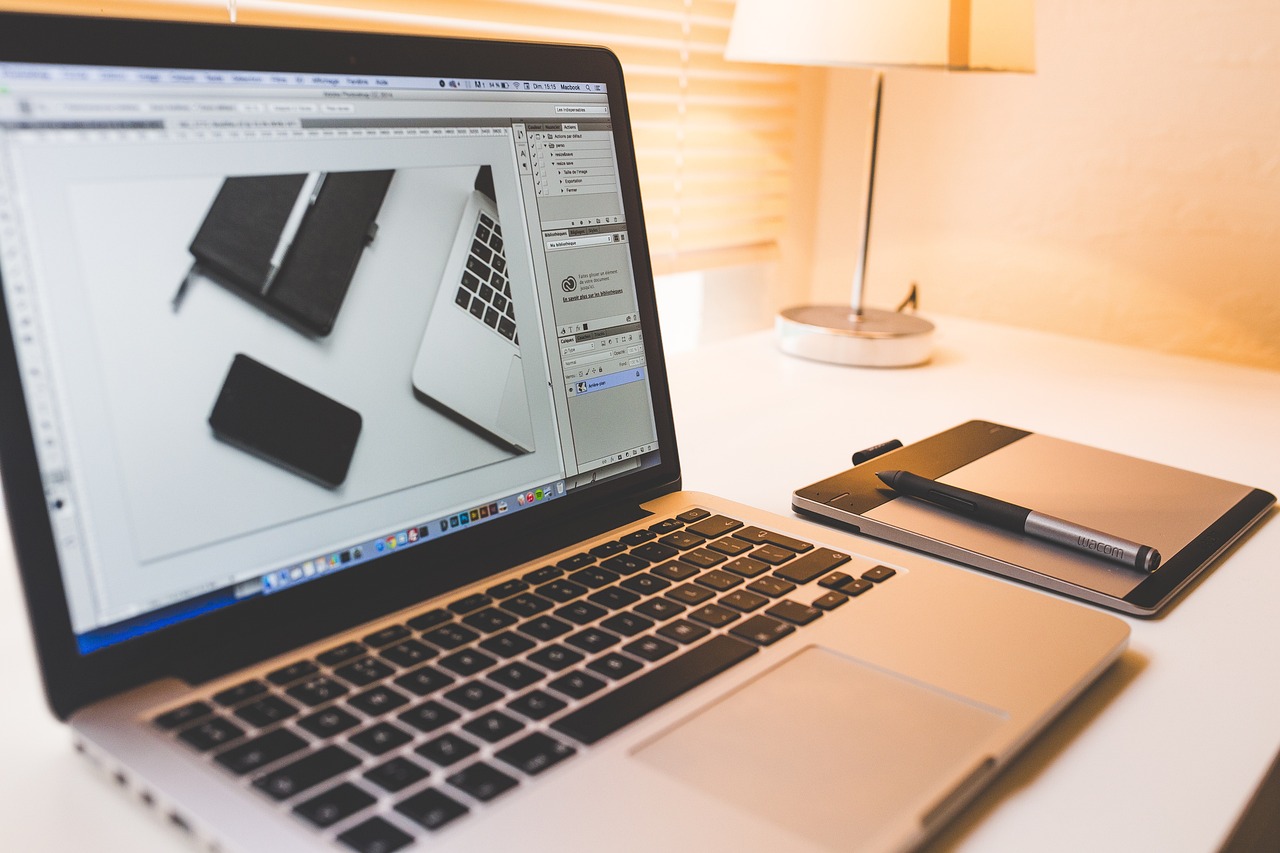
We’ve become a species of digital pack animals, weighed down by the technology we carry. The smartphone bulging in the front pocket, the laptop straining the shoulder bag, the camera bouncing against the chest—our daily load tells a story about our relationship with the digital world. But what story are we telling? Are we carrying tools that expand our possibilities, or security blankets that insulate us from genuine experience? The weight in our bags might be lighter than a decade ago, but the psychological burden has never been heavier.
The evolution of what we carry reveals our changing priorities. A decade ago, the typical urban professional might have carried a phone, an iPod, a camera, a Kindle, and a laptop—each with its own charger, its own ecosystem, its own demands on our attention. Today, we’ve consolidated functions but multiplied expectations. The single smartphone now bears the weight of all those devices, becoming the repository for our work, our entertainment, our memories, and our connections. The physical weight has decreased, but the psychological load has intensified exponentially.
The Psychology of the “Just In Case” Gadget
We pack our bags with “just in case” technology—the extra battery pack, the additional lens, the secondary device—not because we need them, but because we fear being without them. This anxiety reveals something fundamental about our relationship with technology: we’ve moved from using tools to depending on crutches.
The professional photographer carries two camera bodies not just for practicality, but for psychological security. The business traveler packs three charging cables not because they expect all to fail, but because the thought of being disconnected triggers genuine anxiety. The student brings a tablet, laptop, and smartphone to class not because each serves a distinct purpose, but because the absence of any feels like an amputation.
This “just in case” mentality transforms our devices from servants into masters. We stop asking “what do I need today?” and start asking “what might I possibly need?” The result is bags filled with technological insurance policies against experiences we’re not having.
The Minimalist’s Liberation: What Happens When You Carry Less
There’s a growing counter-movement of intentional carriers—people who consciously limit what they bring into the world. Their philosophy isn’t about deprivation, but about focus. By carrying less technology, they paradoxically often accomplish more.
The photographer who brings only a single prime lens learns to see differently, moving their feet instead of zooming their lens. The writer who carries only a tablet finds deeper focus without the multitasking temptations of a full laptop. The traveler who leaves their laptop behind discovers that most “emergency” work can wait, and that being truly present in a new place offers rewards that constantly checking email never could.
This minimalist approach extends beyond physical devices to the digital space within them. The intentional carrier’s phone contains only essential apps, organized for purpose rather than packed with possibilities. Their laptop desktop is clean, their files organized, their digital life as streamlined as their physical load.

The wisest approach to technology might be what we could call “contextual carrying”—matching what you bring to what you’re actually doing, not what you’re afraid might happen.
The workday might demand a full laptop with all its power and peripherals. The coffee shop writing session might need only a distraction-free tablet. The weekend adventure might require nothing more than a smartphone with a good camera. The evening with friends might be best served by leaving everything but your keys and wallet at home.
Contextual carrying requires self-awareness. It means asking honest questions: Am I really going to edit that video during my commute, or will I just watch Netflix? Will I actually need to respond to work emails at the park, or can they wait until morning? Is this device serving my purposes in this moment, or am I serving its presence in my life?
The Unburdened Experience: When Technology Disappears
The best technology isn’t what makes us feel most powerful, but what we notice least. It’s the device that does its job so well we forget we’re carrying it. The perfect bag isn’t the one that holds the most gear, but the one whose weight we stop feeling.
There’s a special freedom in moments when technology becomes transparent—when you’re so engaged in capturing a perfect moment that you forget about your camera’s specifications, when you’re so immersed in writing that you stop noticing your laptop’s keyboard, when you’re so connected to the person you’re speaking with that your phone ceases to exist as an object and becomes purely a window.
These are the moments that reveal technology’s true purpose: not to be admired, but to be used; not to complicate our lives, but to enable richer experiences; not to separate us from the world, but to connect us more deeply to it.
Carrying Forward: A Lighter Relationship with Technology
As we move forward in this increasingly digital age, perhaps the most valuable skill we can develop is knowing what to leave behind. The weight we carry is both physical and psychological, and both deserve our attention.
Maybe tomorrow, you’ll look in your bag and ask: What here serves me? What here comforts me? What here burdens me? The answers might surprise you. And the act of removing just one unnecessary device might feel less like losing a capability and more like gaining a freedom.
Our devices should be like well-trained assistants—present when needed, invisible when not. The goal isn’t to abandon technology, but to carry it so lightly that we sometimes forget it’s there at all. After all, the lightest bags often hold the richest experiences.