The distance between marketing promises and real-world usage is where most gadgets go to die.
If you lined up all the “revolutionary” tech products that failed to live up to their hype, you’d have a graveyard stretching to the moon and back. Yet we keep buying, hoping the next device will be different. After testing thousands of products across categories, I’ve noticed something fascinating: the gadgets people actually use versus what they think they need are often completely different things.
The Kitchen Counter Test: What Devices Earn Their Keep?
The Smart Display That Became a Recipe Book
Take Google’s Nest Hub, for instance. Marketed as the center of your smart home, capable of controlling lights, playing media, and video calling, most people I’ve observed use it for exactly two things: displaying family photos and showing recipes.
The most successful technology isn’t necessarily the most powerful—it’s what fits seamlessly into daily routines. The Nest Hub succeeds not because of its impressive spec sheet but because it solves two mundane but frequent problems: “What do I want to look at on my kitchen counter?” and “How do I follow this recipe without getting my phone dirty?”

Similarly, the average Fitbit or Apple Watch wearer uses about 10% of its capabilities. The complex workout tracking, sleep staging, and oxygen saturation monitoring eventually give way to the features that actually matter: step counting, time telling, and notification triage.
One user told me, “I bought it for the health insights, but I keep wearing it because it tells me when a notification is important enough to pull out my phone.” This pattern repeats across categories: complex features attract buyers, but simple solutions create loyal users.
The Psychology of Tech Purchases: Why We Buy All Wrong
The Aspirational Purchase Fallacy
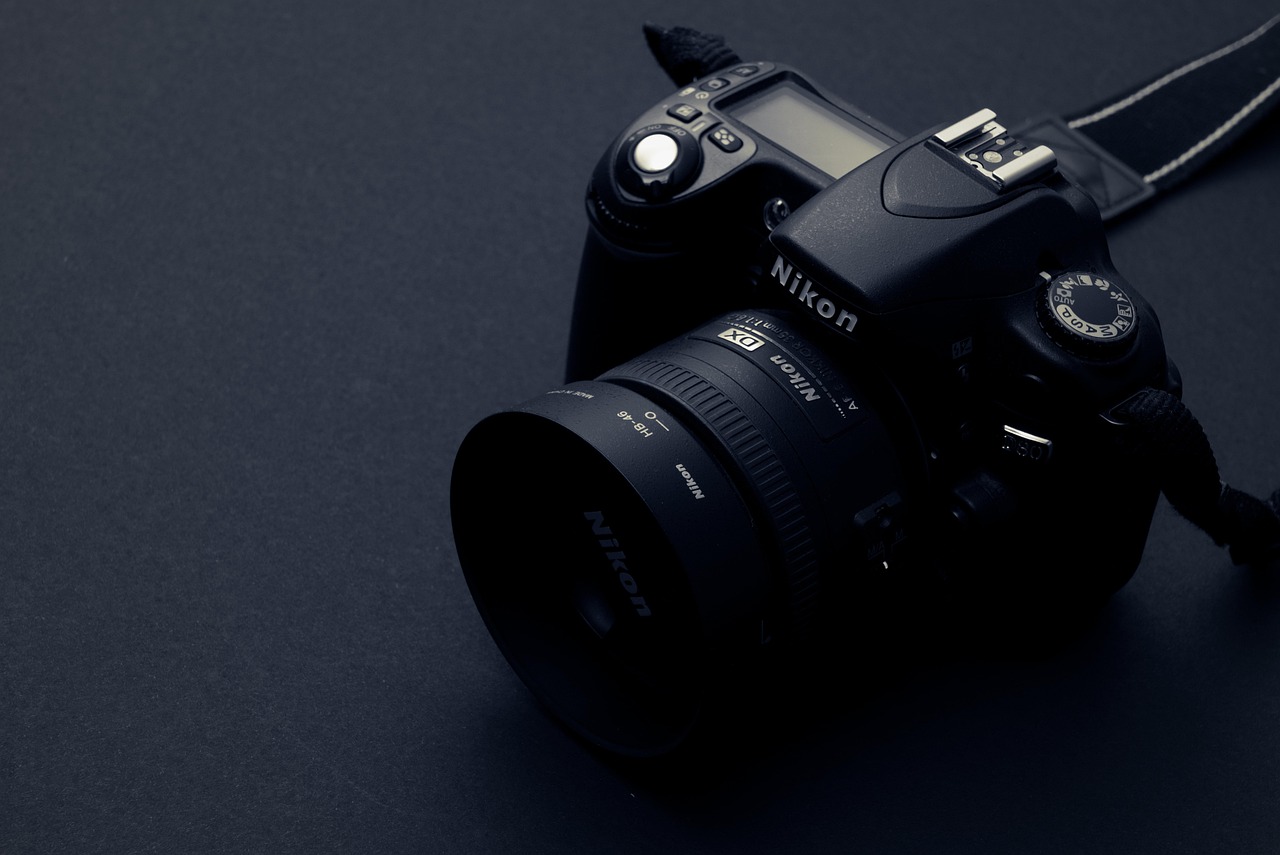
We’ve all done it: bought the professional camera imagining we’ll become accomplished photographers, or the high-end laptop picturing ourselves as successful novelists. There’s nothing wrong with aspiration, but when it drives purchasing decisions, we often end up with equipment that’s both overqualified and underutilized.
The smarter approach is what I call “proof of commitment” purchasing. Before buying professional equipment for a new hobby, first demonstrate sustained interest using whatever equipment you already own. If you’ve been consistently taking photos with your smartphone for six months and find yourself limited by it, then consider a dedicated camera.
The Feature Checklist Trap
Manufacturers love feature checklists because they’re easy to market and compare. The problem is that not all features are created equal, and many exist only to fill out the checklist.
I’ve tested phones with 15 different “AI-enhanced” camera modes that all produced virtually identical results. I’ve used laptops with multiple security features that regular users would never notice or need. The most useful features are often the boring ones: comfortable keyboards, reliable connectivity, and intuitive interfaces.
The Unsung Heroes: Boring Tech That Actually Matters
The Humble Router
While everyone obsesses over their latest smartphone, the most important device in their home might be the one they never think about: their router. A high-quality router won’t impress your friends, but it will make every internet-connected device in your home work better.
The difference between a $50 router and a $200 one isn’t just speed—it’s reliability, coverage, and the ability to handle multiple devices simultaneously. In an era where we routinely have 20+ connected devices in our homes, router quality impacts everything from video calls to smart home reliability.
The Power Bank
Similarly, the power bank has evolved from emergency backup to essential daily companion. The best power banks aren’t necessarily the ones with the highest capacity, but those that balance capacity, charging speed, and portability.
An industry insider once told me, “The power bank market is fascinating because it’s one of the few categories where Chinese brands consistently outperform global giants on both price and performance.” Brands like Anker, Xiaomi, and Baseus have built loyal followings by solving a simple problem exceptionally well: keeping your devices powered when you’re away from an outlet.
The Red Flags: How to Spot Tech That Won’t Last
The “Solution Looking for a Problem” Product
Be wary of products that seem overly proud of their novelty. If the primary marketing angle is “you’ve never seen anything like this before,” there’s probably a good reason nobody has made it before.
Remember the smart juicer that required proprietary juice packs? Or the smartphone with five cameras that all took mediocre photos? True innovation solves actual problems, it doesn’t just add complexity.
The “But It Has Potential” Product
Another dangerous category is the product that reviewers describe as “having potential” or “needing software updates to truly shine.” The tech landscape is littered with devices that promised amazing future updates that never materialized or arrived too late to matter.
Buy technology for what it is today, not for what it might become tomorrow. As one cynical engineer told me, “Roadmaps are fiction until they’re shipping.”
The Upgrade Dilemma: When Should You Actually Buy New Tech?
The Performance Threshold
For most users, there’s a performance threshold beyond which improvements become meaningless. Once your smartphone opens apps instantly, your laptop doesn’t slow down during typical tasks, and your camera takes photos you’re happy with, further upgrades deliver diminishing returns.
The threshold varies by user, but it’s usually lower than marketers would have you believe. Most people would be perfectly served by devices that are 2-3 generations behind the latest release.
The Repair vs. Replace Calculation
Before replacing any device, consider the repair option. A new battery can often extend a smartphone’s life by 2-3 years at a fraction of replacement cost. Similarly, upgrading storage or memory in computers remains one of the most cost-effective performance improvements available.
The mental math is simple: if repair costs less than 50% of a comparable replacement and addresses your primary pain point, repair is usually the smarter choice.
The Future of Useful Tech
The Quiet Revolution of Quality of Life Improvements
While flashy features grab headlines, the most meaningful recent innovations have been quality-of-life improvements:
· Cross-device copy/paste that actually works
· Universal search across your devices
· Automated backup solutions you never have to think about
· Fast charging that works in minutes, not hours
These unsexy features often have outsized impacts on daily satisfaction with technology.
The Return to Reliability
There are signs that the market is beginning to reward reliability over novelty. Framework’s repairable laptops, Fairphone’s sustainable smartphones, and Purism’s privacy-focused devices may have small market shares, but their growing influence suggests consumers are tired of disposable technology.
Even Apple—long associated with sealed, difficult-to-repair devices—now offers self-service repair programs and has committed to making more repairable products. When the industry leader changes direction, you know the winds have shifted.
Parting Thoughts: Becoming a Smarter Tech Consumer
The most satisfied tech users I’ve encountered share a common trait: they know what they actually need and aren’t swayed by what they’re told to want. They keep devices longer, repair when possible, and understand that the best technology is the kind that disappears into your life, not the kind that constantly demands your attention.
Next time you’re considering a tech purchase, ask yourself one simple question: “Will this actually make my life better, or just more complicated?” The answer might save you money, reduce electronic waste, and lead to a more satisfying relationship with the technology you already own.
After all, the goal isn’t to own the best technology—it’s to have the best life, with technology playing a supporting rather than leading role.