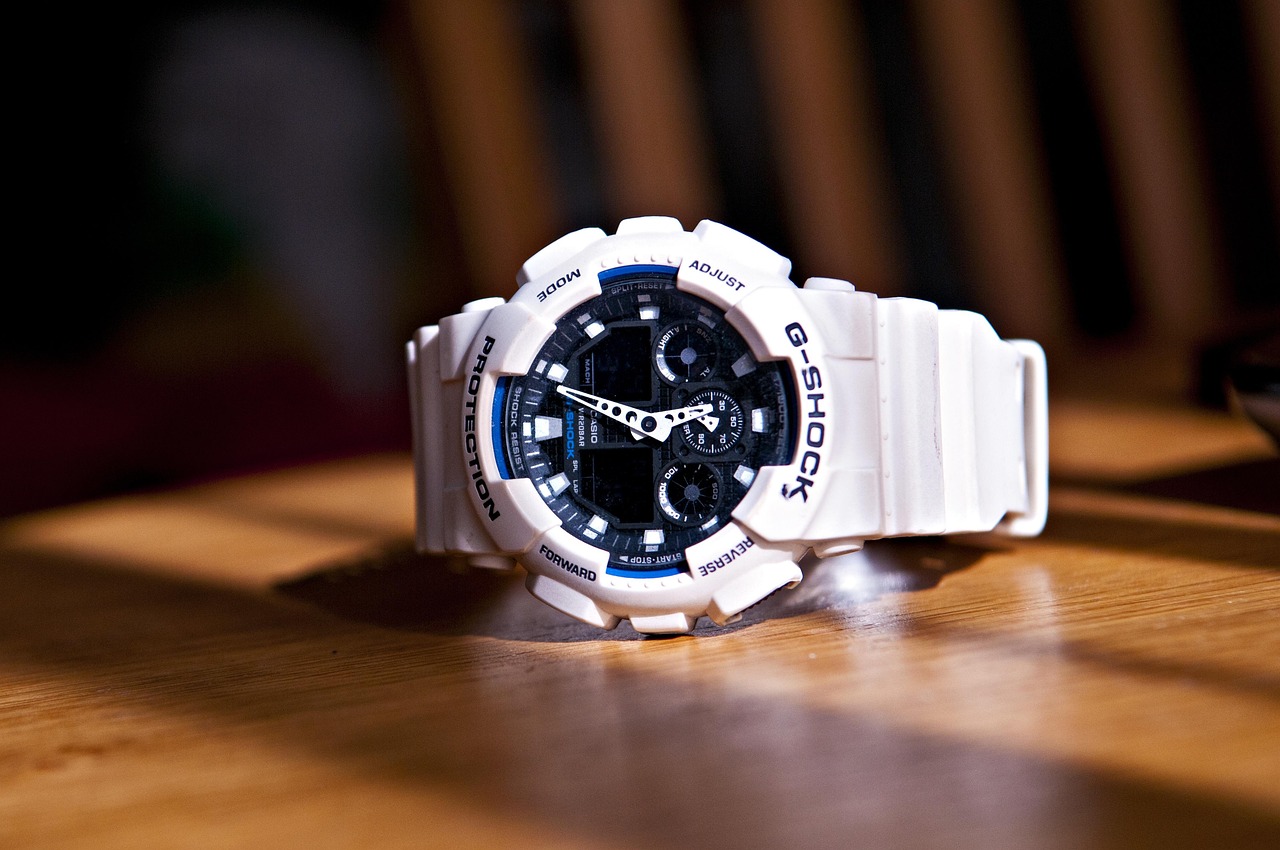
The true test of any tool is not how often you use it, but how little you think about it. A hammer does not demand your attention when it’s hanging in the garage; it waits, silent and ready, for the moment you need to drive a nail. Our modern digital tools, by contrast, are like hammers that constantly buzz in our pockets, suggesting nails to be hammered, showing us videos of other people hammering, and reminding us that a newer, shinier hammer is now available.
We have become connoisseurs of friction. We obsess over processor speeds that shave milliseconds off tasks, yet we willingly surrender hours to the infinite scroll of a social feed. We have forgotten a fundamental truth: the best technology should feel like an extension of our will, not an interruption of it. It’s time to curate tools that have the good manners to disappear when their job is done.
The Tyranny of the Default and the Power of Choice
We live our digital lives on tracks laid down by software engineers in Silicon Valley. The default settings—the endless notifications, the addictive pull-to-refresh mechanics, the algorithmically sorted feeds—are not designed for our well-being. They are designed for engagement, a euphemism for addiction. The first, and most radical, step toward technological maturity is to reclaim your settings menu.
This goes beyond turning off banners. This is about a philosophical audit of every app on your phone. Ask not “What does this app do?” but “What does this app do for me?” Does your weather app need to send you a notification every morning, or can you simply look at it? Does your email need to be a live, unread-count badge of anxiety, or can it be a mailbox you check deliberately three times a day? Reject the premise that you must be always available, always informed, always “on.” Configure your devices to be tools for specific tasks, not slot machines for your attention.
Our workspaces, both physical and digital, are cluttered with good intentions. The minimalist movement wasn’t just about aesthetics; it was about cognitive relief. Apply this to your technology.
· The Blank Screen Home: Your phone’s home screen should not be a to-do list of app icons. It should be a blank canvas, a portal of possibility, or a single, beautiful photograph. Move every non-essential app into a folder on a secondary screen. The friction of having to swipe and search for time-wasting apps is often enough to break the unconscious habit of opening them.
· The Full-Screen Mandate: When working, use your device in full-screen mode for a single application. Hide the dock, hide the menu bar. Let the tool you are using fill your entire field of vision. This simple act tells your brain, and your computer, that there is only one task at hand. It is a digital declaration of intent.
The Joy of the Single-Purpose Machine
In a world of technological convergence, there is immense power in divergence. The smartphone is a miracle of engineering, but it is a terrible master precisely because it is a jack-of-all-trades. It is a camera, a map, a newspaper, a casino, and a portal to your friends, all vying for the same sliver of your focus.
Rediscover the profound satisfaction of the single-purpose device. The deliberate, slow process of shooting with a film camera, where every frame is a financial and creative commitment. The deep immersion of reading on an e-ink Kindle, a device that is blissfully terrible for anything else. The focused creativity of a music player that contains only your own curated library, free from algorithmic radio stations. These devices do not try to be everything. They excel at one thing, and in doing so, they command a presence and respect that our multifunctional rectangles have lost.
The Final Metric: The Quality of Your Absence
We must stop measuring our technology by its capabilities and start judging it by the quality of the absence it permits. The best piece of technology you own is the one that empowers you to close the lid, put it in a drawer, and walk away without a second thought.
It is the device that serves your life so well that it gives you the confidence to be fully present in a conversation, to lose yourself in a book, or to simply sit and stare at the clouds without a nagging sense of digital FOMO. The ultimate goal is not a faster, smarter, more connected life. It is a richer, more focused, and more human one. Our tools should provide the silence in which our own thoughts can finally be heard.