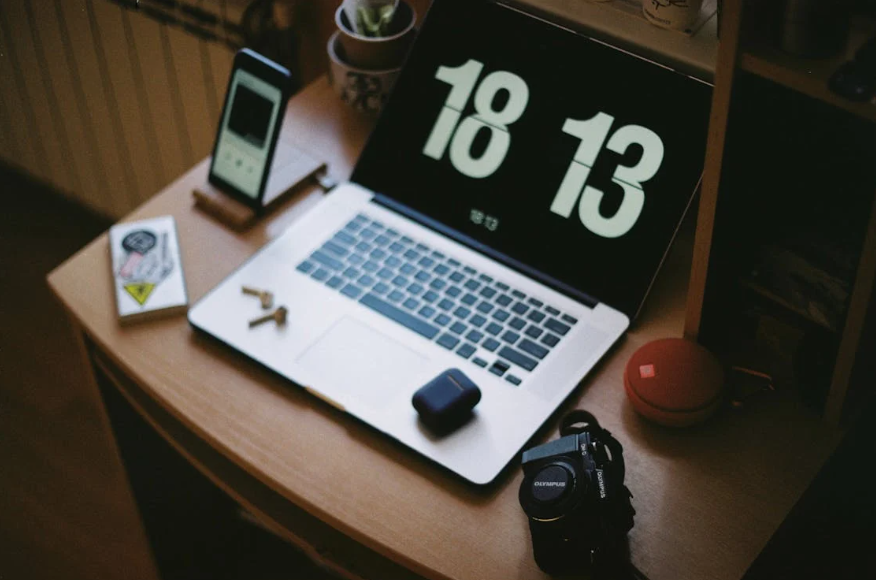
The technology industry thrives on planned obsolescence and the constant drumbeat of “new and improved.” But a growing counter-movement is emerging among savvy users: the philosophy of long-term tech ownership. This isn’t about being a Luddite; it’s about being a strategist. It’s the art of selecting, maintaining, and utilizing technology in a way that it remains performant, satisfying, and relevant for years, not just months. Welcome to the five-year plan for your digital life.
The Pillars of Longevity: Choosing Hardware for the Marathon, Not the Sprint
The foundation of a long-term relationship with your tech is laid at the moment of purchase. Shifting your criteria is essential.
· Prioritize Build Quality Over Benchmark Scores: A laptop with a magnesium alloy chassis and a reinforced hinge will outlive one with a slightly faster processor but a plastic body. A smartphone with an IP68 rating for dust and water resistance is inherently more durable. These aren’t luxury features; they are longevity features. Look for devices built to withstand the rigors of daily life, not just to win spec sheet comparisons.
· The Repairability Report Card: Before buying anything, check its repairability score on sites like iFixit. Can the battery be easily replaced? Is the screen a modular component, or is it fused to the body? Support companies like Framework (for laptops) and Fairphone (for smartphones) that are championing the right to repair. A device designed to be opened is a device designed to last.
· The “Software Support” Lifeline: A device’s functional lifespan is often determined by its software, not its hardware. A phone that stops receiving security updates is a vulnerable phone, regardless of its physical condition. Prioritize manufacturers known for long software support cycles (like Apple and Google for phones, and Microsoft for Windows). This invisible promise is more valuable than an extra gigabyte of RAM.

We expect our devices to perform flawlessly while we neglect their basic needs. Proactive maintenance is the key to preserving their performance and your sanity.
· The Digital Detox: A Fresh Start Every Year: Once a year, back up your data and perform a clean installation of your computer’s operating system. This clears out the “digital cruft”—the leftover files from uninstalled programs, corrupted caches, and background processes that accumulate over time and slow everything down. It’s the technological equivalent of a spring cleaning, and it can make an older machine feel new again.
· The Battery, Your Device’s Beating Heart: Lithium-ion batteries are consumable components. To maximize their lifespan, avoid constantly draining them to 0% or charging them to 100%. Where possible, enable features like “Optimized Battery Charging” that learn your routine and wait to finish charging past 80% until you need it. Treating your battery well is the single biggest thing you can do to preserve your device’s mobility and usefulness.
· The Physical TLC: A simple microfiber cloth to clean screens, a can of compressed air to clear dust from vents, and a good case and screen protector are not accessories; they are essential maintenance kits. This basic physical care prevents scratches, overheating, and accidental damage, preserving both the device’s function and its resale value.
The Psychological Shift: From Consumer to Curator
The most challenging part of the long-term game is mental. It requires resisting the siren song of marketing and redefining what an “upgrade” means.
· Cultivate Contentment with Your Current Toolkit: Instead of focusing on what your device can’t do, master what it can. Deeply learn the features of your camera. Automate workflows on your laptop. The feeling of mastery and the quality of work you can produce with a familiar, well-understood tool will often surpass the fleeting novelty of a new one.
· Upgrade Your Skills, Not Your Hardware: Have a three-year-old camera? Instead of buying a new one, invest in a photography course or a trip to a stunning location. Using a five-year-old laptop? A course in keyboard shortcuts or a new, more efficient software tool might yield a bigger productivity boost than a new machine. The most powerful upgrade is often between your ears.
· Find Joy in the Patina: A small scratch on the body, a slightly worn keyboard—these are not flaws. They are the marks of a journey, evidence of a tool that has been well-used and has served you faithfully. This “patina” tells a story that a pristine, out-of-the-box device never can.
The Sustainable Dividend
Playing the long game with your tech is not just personally economical; it’s an environmentally conscious choice. By extending the life of our devices, we reduce electronic waste and the carbon footprint associated with manufacturing and shipping new products. The most sustainable gadget is, without exception, the one you already own.
In the end, a long-term tech ecosystem is one built on foresight, care, and a shift in perspective. It’s about viewing your devices not as disposable commodities, but as durable tools and faithful companions on your journey. It’s a quiet rebellion against the cycle of consumption, and the path to a more thoughtful, sustainable, and ultimately, more satisfying digital life.