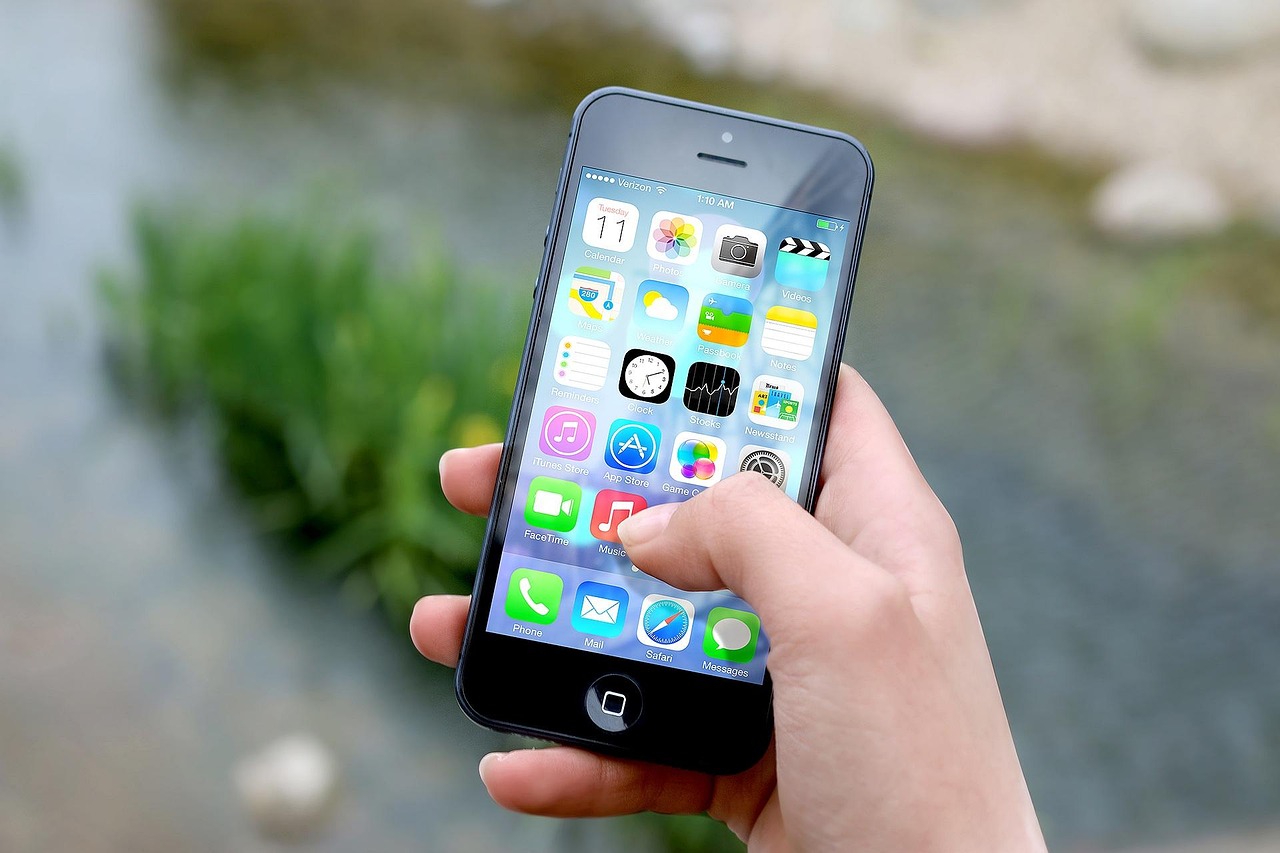
That expensive piece of hardware you bought? Turns out it’s just a paperweight without the monthly subscription.
We’ve entered the era of “hardware as a service,” where the devices we own are increasingly held hostage by subscription models. What started with software has rapidly spread to physical products, creating a world where your car’s heated seats might suddenly stop working because you forgot to renew your “premium comfort package.”
The Everything-As-A-Service Revolution
From Owning to Renting
Remember when buying a printer meant you owned a printer? Now, purchasing a high-end printer often gets you little more than a plastic shell that refuses to function unless you subscribe to an ink delivery service. This shift from ownership to access has quietly transformed how we interact with technology.
The business logic is undeniable: companies love predictable recurring revenue. But for consumers, it often means paying indefinitely for products they thought they owned. One frustrated customer told me, “I bought a $400 printer that’s essentially a doorstop without the $10/month ink plan. I feel like I’m being held hostage by my own purchase.”

Modern vehicles have taken this model to disturbing new levels. Several automakers now offer features like:
· Heated seats that require monthly subscriptions
· Remote start functionality that stops working unless you pay
· Enhanced performance that’s software-locked behind paywalls
· Safety features like automatic high beams that become subscription items
What’s particularly insidious is that the hardware for these features is already installed in every vehicle—you’re simply paying to unlock what you already technically own. As one automotive journalist noted, “We’ve reached peak capitalism when your car’s heated seats have a subscription fee.”
The Psychology of the Slow Squeeze
The Boiling Frog Approach
Companies are masters of the gradual introduction. What begins as an “optional” premium feature slowly becomes essential, then eventually becomes the default—with pricing that creeps upward over time.
The pattern is remarkably consistent:
1. Year 1: “Try our premium features free for 6 months!”
2. Year 2: “Basic functionality now requires our $5/month essential plan”
3. Year 3: “We’ve added exciting new features to our $15/month pro plan”
4. Year 4: “The basic plan no longer includes software updates”
Before you know it, you’re paying hundreds annually for a product you thought you owned outright.
The Sunk Cost Fallacy
Once you’ve invested significant money in hardware, you’re psychologically primed to accept ongoing costs. That $1,000 smart exercise bike seems much less appealing if you know it requires a $40/month subscription to actually function—but by the time you realize this, you’ve already committed.
This creates what behavioral economists call the “sunk cost fallacy”—we keep paying not because the service provides great value, but because we’ve already invested so much in the hardware.
Fighting Back: How to Avoid Subscription Fatigue
Read the Fine Print (Yes, Really)
Before purchasing any connected device, investigate:
· What features require ongoing payments?
· Can basic functions work without subscriptions?
· What happens if you stop paying?
· Are there one-time purchase alternatives?
This simple research can save you from buying hardware that becomes useless without continuous payments.
Vote With Your Wallet
Support companies that:
· Offer one-time purchase options
· Provide lifetime licenses
· Maintain basic functionality without subscriptions
· Have transparent pricing models
The market will eventually deliver what consumers reward. If we keep buying subscription-dependent hardware, we’ll get more of it.
The Silver Lining: When Subscriptions Actually Make Sense
Services With Ongoing Costs
Some subscription models are genuinely justified. Services that require:
· Continuous content updates (like streaming services)
· Regular safety monitoring (like home security systems)
· Ongoing maintenance and support (like business software)
· Cloud processing (like photo analysis services)
These represent fair value exchanges rather than artificial limitations on hardware you own.
The Right Balance
The best companies strike a balance—offering both subscription options for those who want ongoing services and one-time purchases for those who prefer to own outright. Adobe, for instance, faced significant backlash when it moved to subscription-only but has since found ways to accommodate different customer preferences.
The Future of Ownership
The Right to Repair Movement
As consumers grow frustrated with locked-down hardware, the right-to-repair movement gains momentum. Legislation protecting your ability to fix your own devices represents a powerful counter-trend to the subscription economy.
Open Source Alternatives
For every subscription-locked device, open-source alternatives often emerge. From home automation to 3D printing, communities of developers are creating software and hardware that puts control back in users’ hands.
One open-source advocate told me, “We’re not against companies making money. We’re against companies using their market position to create artificial dependencies. There’s always another way.”
Staying Sane in a Subscription World
The key is maintaining perspective: subscriptions aren’t inherently evil, but they should represent fair value. Before your next tech purchase, ask yourself one simple question: “Am I buying a product, or am I buying permission to use a product?”
Your answer might determine whether that shiny new gadget ends up empowering you—or holding you hostage.