Blog

  • The Resilient Mind: Preserving Your Attention in an Age of Automated Distraction

    The Resilient Mind: Preserving Your Attention in an Age of Automated Distraction

    We have entered the third age of digital distraction. The first was the age of novelty, where notifications were a thrill. The second was the age of overload, where we drowned in a sea of pings and alerts. Now, we have entered the most insidious phase: the age of algorithmic engagement, where our devices no longer just interrupt us, but actively and intelligently work to keep us engaged. The battle for your focus is no longer a skirmish with a buzzing phone; it is a strategic war against some of the world’s most sophisticated AI, designed to exploit the vulnerabilities of human psychology. Building resilience is no longer a lifestyle choice—it is a necessary act of cognitive self-defense.

    The New Adversary: Engagement-Optimized Environments

    The enemy is not your device, but the economic model that underpins it. Your attention is the product being sold.

    · The Infinite Scroll: This isn’t a feature; it’s a carefully engineered exploit of the “Zeigarnik Effect”—our brain’s tendency to remember unfinished tasks. There is no natural stopping point, no closure. The “one more scroll” becomes a neurological compulsion, not a conscious choice.
    · Variable Rewards: Like a slot machine, our feeds deliver rewards (a funny video, an interesting post, a like) on an unpredictable schedule. This triggers a dopamine-driven feedback loop that is far more addictive than a predictable one. We’re not scrolling because we’re bored; we’re scrolling because we’re chasing the next hit.
    · The Illusion of Connection: Social platforms are designed to mimic social validation, triggering the same primal neural pathways as face-to-face interaction. A “like” is a cheap, scalable imitation of social approval, keeping us coming back for a sense of belonging that the platform itself is designed to fracture.

    Fighting algorithms requires strategy, not just willpower. You must build systems that protect your mind.

    1. Embrace Intentional Friction: Make distraction more difficult than focus.
    · Log Out, Every Time: After using a social media site, log out of your account. The extra step of having to type your password creates a moment of pause, forcing you to consciously decide to engage, rather than mindlessly tapping an icon.
    · The Grayscale Shift: Switch your phone’s display to grayscale. This single change drastically reduces the dopamine-releasing, stimulating effect of colorful app icons and vibrant videos. The world of your phone becomes less appealing, making it easier to put down.
    · Single-Purpose Devices: Rediscover the power of tools that do one thing. A dedicated e-reader for reading. A dumb notebook for notes. A film camera for photography. These devices have no notifications, no feeds, and no algorithms. They are sanctuaries for your focus.
    2. Curate Your Input Streams: You Are What You Consume
    · The “Unfollow” Revolution: Conduct a quarterly audit of who you follow. Does this account inform, inspire, or genuinely connect with you? If not, unfollow. Your feed should be a curated gallery of value, not a landfill of hot takes and sponsored content.
    · The “Why” Before “What”: Before you open any app, state your purpose aloud. “I am opening YouTube to watch that one tutorial.” “I am checking email for the project update.” This simple act of vocalizing intent snaps you out of autopilot and turns a compulsive tap into a conscious decision.
    3. Reclaim Your Time: Schedule Your Focus, Not Your Breaks
    · Time-Blocking for Deep Work: Instead of hoping for focus to strike, schedule it. Block out 2-3 hour chunks in your calendar for deep, uninterrupted work. During this time, your devices are in “Focus Mode,” and your digital workspace is cleared for a single task.
    · The Analog Sabbath: Designate one day a week—or a few hours each day—as an “Analog Sabbath.” This is not a digital detox born of frustration, but a scheduled, positive ritual of reconnection with the physical world. Read physical books, cook, walk, talk. This regular practice rebuilds your brain’s capacity for sustained attention and reminds you what you’re protecting your focus for.

    The Ultimate Goal: From User to Architect

    The resilient mind does not see technology as an inevitability to be endured. It sees it as a landscape to be designed. You are not a user trapped in a system; you are the architect of your own digital environment.

    The goal is not to reject technology, but to master it. To use its power for creation and connection, while immunizing yourself against its engineered compulsions. It is to reach a point where you can use these powerful tools with purpose and precision, and then set them aside without a second thought, your attention intact, your mind your own. In the 21st century, the final measure of personal freedom will not be what you can access, but what you can comfortably, and confidently, ignore.

  • The Tech Collaborator: From Passive Tool to Active Partner

    The Tech Collaborator: From Passive Tool to Active Partner

    We’ve moved beyond the era where technology was a simple tool. A hammer doesn’t suggest better ways to swing; a typewriter doesn’t autocorrect your prose. But our current devices are different. They are no longer inert implements. They are active, opinionated, and packed with computational intelligence. The next evolution in our relationship with them is not to use them better, but to collaborate with them more effectively. It’s time to stop being a mere user and start being a co-creator with the silicon-based intelligence in your pocket.

    From Command & Control to Conversation & Suggestion

    The old model was command-line thinking: we input a direct order and the machine executes it. The new model is a conversational loop. We state an intent, and the machine offers its capabilities to fulfill it.

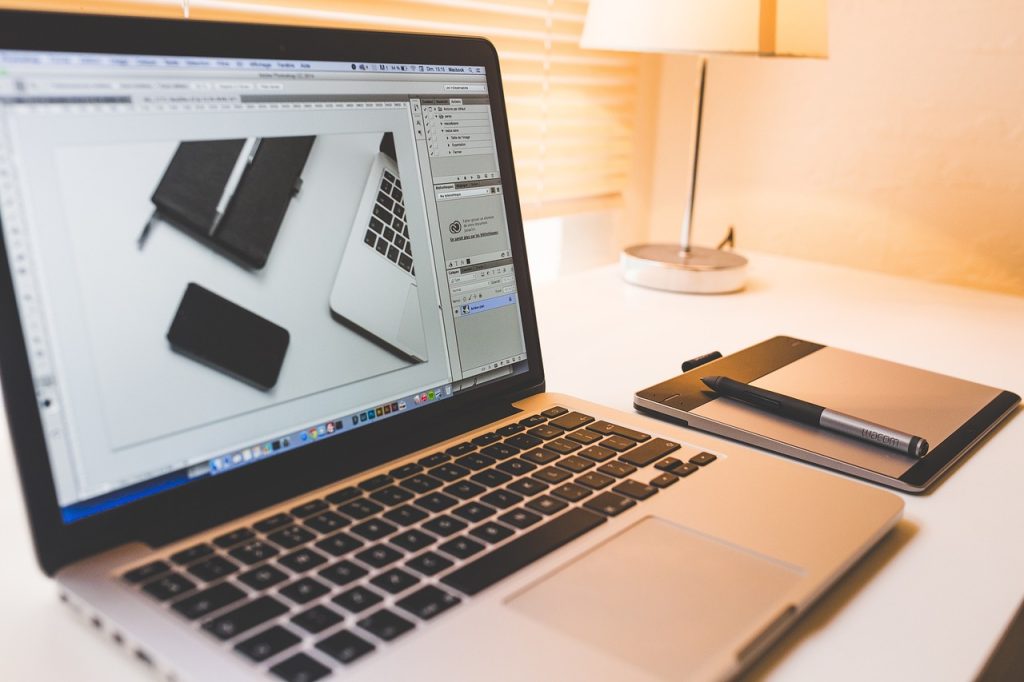
    · The Suggestion, Not the Directive: Instead of manually adjusting every slider in a photo editor, you now tell your software, “Make this portrait warmer,” or “Bring out the details in the shadows.” The software interprets your creative intent and executes the complex adjustments. You are the director providing the creative vision; the AI is the cinematographer and color grader, handling the technical execution. This is a collaborative act.
    · The Co-pilot in Your Code Editor: A programmer is no longer just typing lines of code. Tools like GitHub Copilot suggest entire functions, spot errors in real-time, and comment on style. The programmer provides the overarching logic and architecture; the AI handles the boilerplate and routine syntax. This isn’t cheating; it’s collaborating, freeing the human mind to focus on higher-level problem-solving.

    True collaboration extends beyond a single device. Your phone, laptop, camera, and earbuds are no longer a collection of soloists; they are an orchestra, and you are the conductor.

    · The Invisible Handoff: Collaboration means the backstage work happens without a cue. You take a photo on your camera, and it’s automatically available on your phone for a quick edit and on your laptop for a final project. You start a podcast on your laptop, and your earbuds automatically switch to become the microphone. The devices are collaborating with each other to serve your unified creative goal, with you conducting the flow.
    · Context-Aware Intelligence: A collaborative device understands its role in the moment. Your phone knows that when it’s connected to your car’s Bluetooth, its primary job is navigation and audio, not displaying notifications. Your laptop, when it detects you are in a video call, can automatically enhance your lighting and blur your background. The technology is actively participating in setting the stage for your success.

    Cultivating a Collaborative Mindset

    To engage in this way requires a shift in our own behavior. We must learn to delegate to our digital partners.

    · Trust the Algorithm, Curate the Outcome: You don’t need to manually sort thousands of photos. Train your photo app’s AI to recognize the faces of your family and the types of shots you love (landscapes, macros, portraits). Then, let it surface the “Best of” reel for you. Your job is not to sort; it’s to curate and enjoy the final selection. You are the editor-in-chief, and the AI is your tireless research assistant.
    · Embrace the “Good Enough” First Draft: The fear of the blank page is a human problem. AI writing assistants can now generate a coherent first draft based on a few bullet points. The collaboration isn’t about the AI doing the writing for you; it’s about the AI breaking your creative paralysis. Your value is in refining, adding voice, nuance, and soul to the structural draft the machine provided.

    The New Division of Labor

    In this collaborative model, the division of labor becomes clear:

    · The Human Provides: Intent, intuition, ethics, creativity, strategic vision, and emotional intelligence.
    · The Machine Provides: Speed, scale, pattern recognition, data processing, precision, and tireless execution.

    The photographer composes the shot and waits for the perfect light; the camera’s AI ensures the focus is tack-sharp and the exposure is correct. The writer develops the narrative and the argument; the grammar AI ensures the clauses are parallel and the prose is clear.

    The goal is a symbiotic relationship where the whole is greater than the sum of its parts. Your technology is not a replacement for your skill; it is an amplifier of your intent. Stop treating your devices like simple tools. Start treating them like junior partners. Brief them on your goals, listen to their suggestions, delegate the tedious work, and focus your human brilliance on what truly matters: the vision, the connection, and the creativity that no algorithm can replicate. The future belongs not to those with the most powerful tech, but to those who learn to collaborate with it most effectively.

  • Your Digital Butler: Training Your Tech to Serve, Not Distract

    Your Digital Butler: Training Your Tech to Serve, Not Distract

    Imagine a world where your technology anticipates your needs. Your laptop dims its screen as the sun sets, your phone automatically silences itself when you open a book, and your camera’s settings are perfectly tuned to the golden light of a Saturday morning. This isn’t science fiction; it’s the art of training your tech to be less of a noisy appliance and more of a refined digital butler—a silent, efficient presence that enhances your life without demanding your constant attention.

    The modern device is a raw, untrained recruit, bursting with potential but lacking in decorum. It buzzes at inappropriate times, floods you with irrelevant information, and generally makes a nuisance of itself. The goal is not to use it less, but to train it better. To teach it your habits, your preferences, and your pet peeves, until it operates with such seamless intuition that you barely notice it’s there.

    Phase 1: The Interview – Defining the Job Description

    You wouldn’t hire a butler without a clear list of duties. The first step is a ruthless audit of what you actually need from your devices.

    · The Notification Purge: This is the butler’s first lesson in discretion. Go through every app on your phone and ask: “Does this alert require my immediate, actionable attention?” If the answer is no (and for 95% of apps, it is), revoke its speaking privileges. The only apps that should be allowed to make a sound or vibration are those delivering time-sensitive messages from real human beings. Everything else can wait for you in the notification center, to be reviewed at your leisure.
    · The Home Screen as the Main Foyer: Your phone’s home screen is the butler’s main hallway. It should be clean, organized, and contain only the tools you use daily. Every other app is a specialized piece of equipment that belongs in a cupboard (a folder) or the tool shed (the App Library). A cluttered home screen is a sign of a disorganized household.

    A good butler learns the master’s schedule. Your tech can do the same.

    · The Magic of Focus Modes: This is your butler’s most powerful tool. Don’t just use “Do Not Disturb” haphazardly. Create scheduled, contextual Focus Modes for different parts of your life.
    · Work Focus: Only Slack, Calendar, and key project apps can notify you. Your personal apps are silenced. Your computer desktop shows only work-related files.
    · Reading Focus: All notifications are silenced. Your phone’s screen dims and switches to grayscale to reduce its appeal.
    · Wind Down Focus: Scheduled for the hour before bed, this mode silences everything and can even hide your work email app entirely.
    By setting these schedules, you’re programming your butler to understand the rhythm of your day, so it can proactively manage your digital environment.
    · Automation: The Butler’s Silent Choreography: This is where your devices learn to work together without being told. Use tools like iOS Shortcuts or IFTTT to create simple automations.
    · “When I connect to my car’s Bluetooth, read out my messages and play my driving playlist.”
    · “When I start a Work Focus on my phone, also silence notifications on my laptop.”
    · “Every night at 2 AM, back up my phone’s new photos to my home server.”
    These are the digital equivalent of a butler drawing your bath at precisely 10 p.m. because he knows your routine.

    Phase 3: The Refinement – Cultivating a Sense of Presence

    The final stage of training is about teaching your tech to enhance your real-world experiences, not pull you out of them.

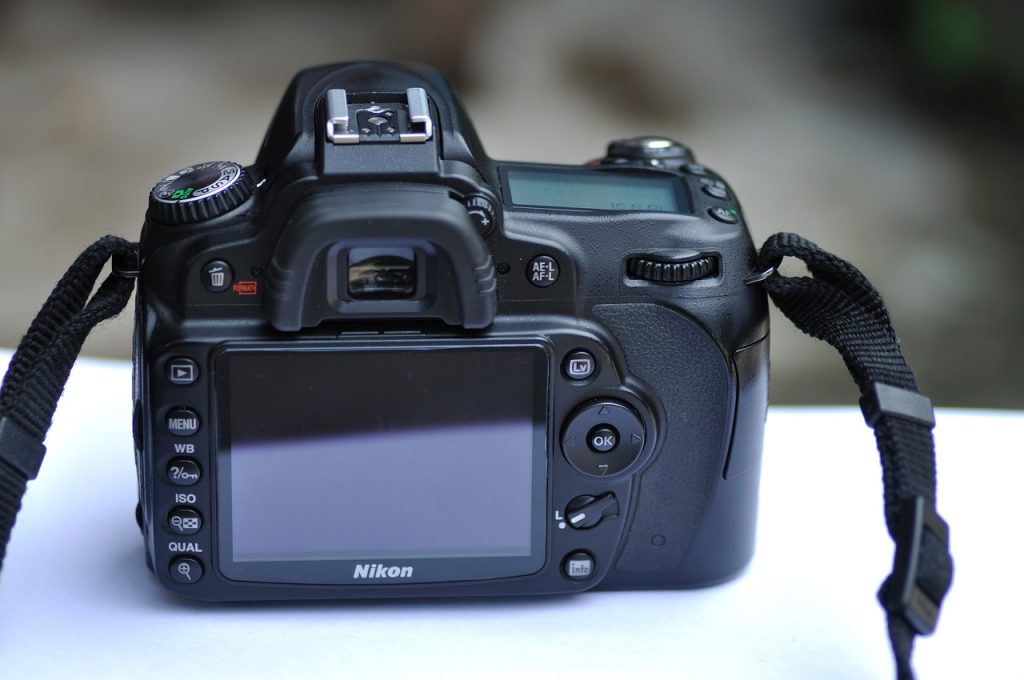
    · The Camera as a Discreet Chronicler: Your camera should be ready to capture a moment, not an obstacle to experiencing it. Pre-set your favorite film simulation or picture profile. Keep your battery charged and a memory card in the slot. A trained camera is one you can raise and shoot with in three seconds, capturing the moment without fumbling through menus. It’s a butler that hands you a pen without you having to ask, perfectly anticipating the need to sign a document.
    · The Laptop as a Dedicated Workspace: A well-trained laptop knows its primary purpose is creation. Use virtual desktops to create distinct workspaces: one for writing, one for research, one for communication. When you switch to the “Writing” desktop, only your writing app is open. This is the digital equivalent of a butler preparing a specific room for a specific activity, ensuring all the right tools are at hand and all distractions are removed.

    The Payoff: A Home That Runs Itself

    When your tech is properly trained, the effect is transformative. The constant, low-grade hum of digital anxiety fades away. You’re no longer managing your devices; they are managing the minutiae of your digital life for you.

    You get the peace of mind that comes from automated backups and a decluttered digital space. You get the creative freedom of a camera that feels like an extension of your eye. You get the deep focus of a laptop that actively protects your attention.

    The ultimate sign of success is when your technology feels boring. It’s not a source of excitement or frustration; it’s a reliable, almost invisible part of your life’s infrastructure. It’s a butler so competent, so attuned to your needs, that his presence is felt only in the smooth, quiet, and effortless functioning of your world. Stop fighting with your gadgets. It’s time to start training them.


  • The Co-Pilot’s Manifesto: Stop Using Your Tech, Start Partnering With It

    The Co-Pilot’s Manifesto: Stop Using Your Tech, Start Partnering With It

    We treat our technology like either a servant or a master. We bark commands at our phones, feel enslaved by our notification feeds, and blame our laptops for being slow. This dynamic is exhausting. It’s time for a new paradigm. What if we stopped using our tech and started partnering with it? Imagine your devices not as tools, but as a loyal, highly skilled co-pilot on your creative and productive journeys. The pilot is always you, but a good co-pilot makes the entire flight smoother, safer, and more enjoyable.

    From Command Line to Conversation

    Using a servant requires simple, direct commands. Partnering with a co-pilot requires a shared language and a common goal.

    · The “Why” Behind the “What”: You don’t just tell your co-pilot “open the camera app.” You share the intent: “I want to capture the soft morning light on this building.” This shift in mindset changes how you interact. You might then manually adjust the exposure (your job as pilot) to get the exact look you want, while trusting the camera’s excellent sensor (the co-pilot’s job) to capture the rich data. You’re working in concert.
    · Leveraging Strengths, Mitigating Weaknesses: A good pilot knows their co-pilot’s strengths. Your phone’s co-pilot is brilliant at computational photography—stitching together HDR images or creating a perfect portrait-mode blur. Let it handle that. Your job as the creative pilot is composition, timing, and emotion. Conversely, you know your co-pilot is easily distracted by notifications. So, you put it in “Focus Mode” before you begin your creative flight. You’re managing the cockpit environment.

    Ground Your Co-Pilot: The Power of Intentional Limits

    An overzealous co-pilot can be a nuisance. A good one knows when to be quiet and when the autopilot needs to be disengaged.

    · The Full-Screen Cockpit: When you’re writing or editing, you don’t want your co-pilot suggesting other websites or displaying new emails. You engage “full-screen mode.” This is the equivalent of telling your co-pilot, “I have the controls. Quiet in the cockpit.” It’s a deliberate signal to both you and the machine that it’s time for deep, uninterrupted work.
    · The Scheduled Pre-Flight Check: You wouldn’t take off without checking your fuel and systems. Don’t start your day without a “pre-flight check” of your digital co-pilot. A five-minute ritual each morning to review your calendar, clear your desktop, and set your priorities tells your co-pilot (and your own brain) the intended flight plan for the day.

    We often choose devices based on a list of features, like picking a jukebox with the most songs. But a co-pilot is chosen for their temperament and how well they mesh with your flying style.

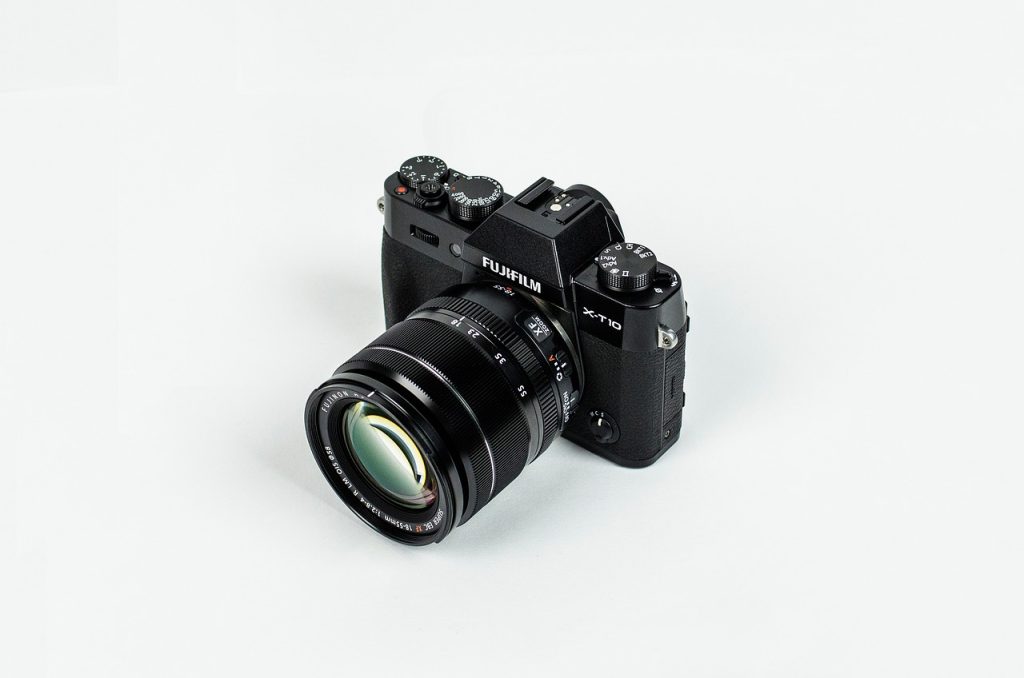
    · The Deliberate Co-Pilot (Fujifilm Cameras): A Fujifilm camera, with its physical dials for shutter speed and ISO, is a co-pilot that encourages manual, intentional control. It gives you direct access to the core functions of flight, making you a more skilled and engaged pilot. It’s for the person who enjoys the process of flying itself.
    · The “Just Get the Shot” Co-Pilot (Modern Smartphones): A Google Pixel or latest iPhone is a co-pilot that excels at handling the complex calculations for you. You point, you frame, and it ensures the technical outcome is brilliant. It’s perfect for the pilot who wants to focus purely on the destination (the moment) without worrying about the technicalities of the flight.
    · The “No-Nonsense” Co-Pilot (A ThinkPad Laptop): This co-pilot isn’t flashy. It has a fantastic keyboard (the primary control yoke), incredible reliability, and a no-distractions design. It’s built for long-haul flights through complex data and demanding workloads. It doesn’t chat much; it just does its job impeccably.

    The Trust Fall: Letting Your Co-Pilot Handle the Routine

    The final stage of this partnership is trust. You must learn to let your co-pilot handle the routine tasks so you can focus on the horizon.

    · Automate the Boring Stuff: Set up automated backups. Use smart album creation in your photo app. Create email filters. This is the equivalent of letting your co-pilot manage the cabin pressure and fuel mix. It frees you up to navigate, to make strategic decisions, and to enjoy the view.
    · Embrace the “Good Enough” Landing: Perfectionism is the enemy of a good partnership. Your co-pilot’s computational photo might not be “technically perfect” like a RAW file from a dedicated camera, but if it captures a fleeting, priceless moment with your family, it’s the perfect tool for that job. Don’t let the pursuit of ideal settings cause you to miss the shot entirely.

    The goal of the Co-Pilot Manifesto is to end the adversarial relationship. Your technology is not there to compete with you, distract you, or judge you. At its best, it’s a silent, capable partner that handles the underlying complexity, respects your command, and empowers you to go further and create more than you ever could alone. So, the next time you pick up your device, don’t just use it. Brief it. Partner with it. And together, create something remarkable.

  • The Tech of Contentment: Finding Joy in the Tools You Already Own

    The Tech of Contentment: Finding Joy in the Tools You Already Own

    The tech world runs on a simple, brutal cycle: desire, acquisition, and fleeting satisfaction, swiftly followed by the next wave of desire. We’re trapped in a loop of comparing our gear to a hypothetical, perfect future setup, blind to the capable tools right in our hands. The most radical upgrade available today isn’t a new model; it’s a new mindset. It’s the art of finding deep, lasting satisfaction in the tech ecosystem you’ve already built.

    The Anatomy of Discontent: Why We Always Want More

    This feeling of “tech FOMO” isn’t an accident; it’s the engine of the entire industry. It’s fueled by:

    · The Spec Sheet Illusion: We’re taught to believe that a higher number automatically equals a better experience. But the jump from 12 megapixels to 50 is often imperceptible in real-world use, and a processor that’s 15% faster than your current chip won’t make your emails more profound or your photos more meaningful. We’re chasing benchmarks, not better outcomes.
    · The Highlight Reel Effect: Online, we only see the flawless, curated results from others’ gear—the tack-sharp wildlife photo, the perfectly color-graded video. We don’t see the thousands of mundane shots, the frustrating bugs, or the creative blocks that happen on that same expensive equipment. We compare our behind-the-scenes struggle to everyone else’s greatest hits.

    The “Good Enough” Revolution: Liberating Your Inner Pragmatist


    For 95% of us, the answer is a resounding yes.

    · That laptop from 2020 can still write novels, build spreadsheets, and edit vacation videos.
    · That smartphone from two years ago takes stunning photos, connects you to loved ones, and holds the world’s knowledge.
    · That camera from a previous generation still captures light and tells stories in a way that would have been considered magic a decade ago.

    The “Good Enough” revolution isn’t about settling for mediocrity. It’s about recognizing the point of diminishing returns. It’s understanding that the gap between “good enough” and “the best” is often a canyon of debt for a pebble of perceptible improvement.

    The Power of Mastery Over Novelty

    There is a profound, lasting joy that comes from truly mastering a tool, a joy that the shallow thrill of a new purchase can never replicate.

    · Learn Your Camera’s Soul: Instead of craving a new body, master the one you have. Shoot in manual mode for a month. Learn how its meter reacts to backlight. Understand its autofocus quirks. This deep knowledge will let you capture images faster and more intuitively than someone fumbling with a new, unfamiliar machine.
    · Automate Your Digital Life: Your current laptop and phone are packed with powerful automation tools like Shortcuts (iOS/Mac) or Automator. Instead of buying a new device to feel productive, spend an afternoon building a shortcut that automatically resizes your photos for social media, or a script that organizes your downloads folder. You’ll gain a sense of control and efficiency that feels like a genuine upgrade.
    · The Joy of a Worn Tool: That scratch on your laptop lid? It’s a memory. The polished sheen on your camera’s shutter button? That’s from thousands of moments captured. These imperfections are the patina of a life lived. A new device is sterile; a well-used one has character and a story.

    Curating for Joy, Not Just Performance

    Contentment comes from intention. It’s time to curate your devices for pleasure, not just specs.

    · The Sensory Upgrade: Invest in things that change your daily tactile experience. A beautifully crafted leather case for your phone. A mechanical keyboard that makes typing a delight. A high-quality camera strap that feels comfortable all day. These upgrades cost a fraction of a new device but enhance your enjoyment every single time you use your gear.
    · The Software Spring Cleaning: Often, what we perceive as “slowness” is just digital clutter. A fresh operating system install, a ruthless culling of unused apps, and a organized file structure can make an old laptop feel snappy and new again. The feeling of a clean, purposeful digital workspace is a form of contentment.

    The Ultimate Freedom

    The tech of contentment ultimately grants you one priceless thing: your freedom. Freedom from the upgrade cycle. Freedom from comparison. Freedom from the anxiety that you’re being left behind.

    When you stop chasing the next big thing, you unlock the resources—both financial and mental—to invest in what truly matters: experiences, learning, and the people around you. Your camera becomes a tool for seeing the world more deeply, not a status symbol. Your laptop becomes a vehicle for your ideas, not a benchmark to be conquered.

    The best gear isn’t the newest or the most expensive. It’s the gear you know intimately, that serves your purpose reliably, and that you can finally, gratefully, stop worrying about. In a world shouting for your attention and your wallet, that quiet satisfaction is the ultimate luxury.

  • The Digital Homestead: Cultivating a Life with Tech, Not for It

    The Digital Homestead: Cultivating a Life with Tech, Not for It

    We’ve spent a generation being swept along by the river of technological progress, gasping at each new waterfall. But a growing number of us are starting to do something radical: we’re wading to the shore. We’re not rejecting the river—its power is undeniable—but we’re choosing to build a homestead on its banks. We’re learning to draw water for our fields, not be pulled by the current. This is the philosophy of the Digital Homesteader: someone who uses technology to cultivate a richer, more self-directed life, rather than being cultivated by it.

    The Land Survey: A Digital Audit with Intent

    Before you can build, you must survey the land. A homesteader doesn’t keep every random seed packet they’re given; they select seeds for the crops they want to eat. Your digital life is no different.

    · The App Purge: Open your phone and computer. For every app and program, ask: “Does this tool help me create, connect meaningfully, or learn deeply?” If not, it’s a weed. Delete it. This isn’t minimalism for its own sake; it’s agricultural rotation for your mind. You are clearing the field for the crops that matter.
    · The Notification Fence: A homestead has fences to keep out pests. Your focus is your most valuable crop; notifications are the rabbits that eat it. Build a strong fence. Turn off every notification that isn’t from a human being you know, about something time-sensitive. Your digital homestead should be a quiet place, where you can hear yourself think.

    Planting Your Core Crops: The Tools of Sustenance

    A homestead is built around a few reliable, versatile crops. Your tech stack should be the same.

    · The Writing Tool: This is your staple grain. It could be a beautifully simple app like iA Writer, a powerful tool like Obsidian, or even a physical notebook. Its purpose is to hold your thoughts, your plans, your stories. It is the foundation of your intellectual diet.
    · The Camera: This is your preserving jar. Its job is to capture moments of beauty, insight, and memory for future enjoyment. Choose one that encourages you to be present, whether it’s a film camera that forces deliberation or a digital one you use with the discipline of a film shooter.
    · The Communication Hub: This is your market stall, the place for exchange with the outside world. Configure it for quality, not quantity. Use scheduled times for email. Use voice calls for real conversation. Make your interactions intentional and substantive, not reactive and shallow.

    A homesteader lives by the sun and the seasons, not the relentless, monotonous tick of the industrial clock. Impose this natural rhythm on your tech use.

    · The Morning: Tending the Fields (Deep Work) This is when the light is best. Protect this time for your most important creative or intellectual work. Full-screen mode. Phone in another room. This is when you plant and weed.
    · The Midday: The Market (Communication & Administration) The sun is high; it’s time for exchange. This is your batch-processing window for emails, messages, and meetings. Be efficient and present, then close the stall.
    · The Evening: The Hearth (Connection & Unwind) The day’s work is done. The tools change. This is for reading on an e-ink device, watching a movie with family, or listening to music. The goal is nourishment and connection, not consumption.

    The Joy of the Hand Tool: The Analog Advantage

    The wisest homesteader knows that some tasks are better done by hand. The relentless pursuit of digital efficiency for everything is a fool’s errand.

    · The Notebook: For brainstorming, sketching, and working through complex problems, the unlimited canvas of a page, the physical connection of pen to paper, is still unsurpassed. It’s a tool that thinks at the speed of your mind, not the refresh rate of a screen.
    · The Physical Book: A book is a self-contained world. It has no hyperlinks, no notifications, no “you may also like…” It demands and rewards sustained, linear attention—a cognitive skill that is becoming rare and precious.

    The Harvest: A Life of Agency and Depth

    The goal of the Digital Homestead is not to be anti-tech. It’s to be pro-life. It’s measured by the quality of your harvest:

    · Do you have a body of work you’re proud of?
    · Do you have deep, uninterrupted relationships?
    · Do you have the mental space for boredom, for daydreaming, for the spontaneous creative sparks that only come when you’re not being stimulated?

    Your technology should be like a well-maintained shovel or a reliable oven: a tool you use with skill and respect to build a life of substance, and then you put it away, your hands dirty and your heart full, to enjoy the world you’ve made. Stop being a passenger on the river. Come ashore, and start building.

    We’ve spent a generation being swept along by the river of technological progress, gasping at each new waterfall. But a growing number of us are starting to do something radical: we’re wading to the shore. We’re not rejecting the river—its power is undeniable—but we’re choosing to build a homestead on its banks. We’re learning to draw water for our fields, not be pulled by the current. This is the philosophy of the Digital Homesteader: someone who uses technology to cultivate a richer, more self-directed life, rather than being cultivated by it.

    The Land Survey: A Digital Audit with Intent

    Before you can build, you must survey the land. A homesteader doesn’t keep every random seed packet they’re given; they select seeds for the crops they want to eat. Your digital life is no different.

    · The App Purge: Open your phone and computer. For every app and program, ask: “Does this tool help me create, connect meaningfully, or learn deeply?” If not, it’s a weed. Delete it. This isn’t minimalism for its own sake; it’s agricultural rotation for your mind. You are clearing the field for the crops that matter.
    · The Notification Fence: A homestead has fences to keep out pests. Your focus is your most valuable crop; notifications are the rabbits that eat it. Build a strong fence. Turn off every notification that isn’t from a human being you know, about something time-sensitive. Your digital homestead should be a quiet place, where you can hear yourself think.

    Planting Your Core Crops: The Tools of Sustenance

    A homestead is built around a few reliable, versatile crops. Your tech stack should be the same.

    · The Writing Tool: This is your staple grain. It could be a beautifully simple app like iA Writer, a powerful tool like Obsidian, or even a physical notebook. Its purpose is to hold your thoughts, your plans, your stories. It is the foundation of your intellectual diet.
    · The Camera: This is your preserving jar. Its job is to capture moments of beauty, insight, and memory for future enjoyment. Choose one that encourages you to be present, whether it’s a film camera that forces deliberation or a digital one you use with the discipline of a film shooter.
    · The Communication Hub: This is your market stall, the place for exchange with the outside world. Configure it for quality, not quantity. Use scheduled times for email. Use voice calls for real conversation. Make your interactions intentional and substantive, not reactive and shallow.

    The Rhythm of the Seasons: Work, Create, Rest

    A homesteader lives by the sun and the seasons, not the relentless, monotonous tick of the industrial clock. Impose this natural rhythm on your tech use.

    · The Morning: Tending the Fields (Deep Work) This is when the light is best. Protect this time for your most important creative or intellectual work. Full-screen mode. Phone in another room. This is when you plant and weed.
    · The Midday: The Market (Communication & Administration) The sun is high; it’s time for exchange. This is your batch-processing window for emails, messages, and meetings. Be efficient and present, then close the stall.
    · The Evening: The Hearth (Connection & Unwind) The day’s work is done. The tools change. This is for reading on an e-ink device, watching a movie with family, or listening to music. The goal is nourishment and connection, not consumption.

    The Joy of the Hand Tool: The Analog Advantage

    The wisest homesteader knows that some tasks are better done by hand. The relentless pursuit of digital efficiency for everything is a fool’s errand.

    · The Notebook: For brainstorming, sketching, and working through complex problems, the unlimited canvas of a page, the physical connection of pen to paper, is still unsurpassed. It’s a tool that thinks at the speed of your mind, not the refresh rate of a screen.
    · The Physical Book: A book is a self-contained world. It has no hyperlinks, no notifications, no “you may also like…” It demands and rewards sustained, linear attention—a cognitive skill that is becoming rare and precious.

    The Harvest: A Life of Agency and Depth

    The goal of the Digital Homestead is not to be anti-tech. It’s to be pro-life. It’s measured by the quality of your harvest:

    · Do you have a body of work you’re proud of?
    · Do you have deep, uninterrupted relationships?
    · Do you have the mental space for boredom, for daydreaming, for the spontaneous creative sparks that only come when you’re not being stimulated?

    Your technology should be like a well-maintained shovel or a reliable oven: a tool you use with skill and respect to build a life of substance, and then you put it away, your hands dirty and your heart full, to enjoy the world you’ve made. Stop being a passenger on the river. Come ashore, and start building.

  • The Tech of Enough: Knowing When to Stop Chasing the Next Big Thing

    The Tech of Enough: Knowing When to Stop Chasing the Next Big Thing

    We are living through the great acceleration. Processor speeds double, sensor resolutions quadruple, and new models are released with a rhythm that feels both exhilarating and exhausting. In this whirlwind of progress, we’ve lost sight of a simple but radical question: What if what we have is already enough? The most sophisticated tech skill you can cultivate today isn’t mastering a new gadget, but mastering the art of saying “no” to the endless cycle of upgrades.

    The Anatomy of the “Upgrade Itch”

    That feeling—the restless desire for a newer, shinier piece of tech—is rarely about genuine need. It’s a cleverly engineered cocktail of emotions:

    · FOMO (Fear of Missing Out): The fear that your current camera can’t capture a certain type of low-light shot, or that your laptop is slowing you down by precious seconds. This fear is stoked by reviewers and marketing that constantly highlight the gap between what you have and what’s new.
    · The Allure of the “Clean Slate”: A new device promises a fresh start. No clutter, no accumulated digital baggage, just pure, unadulterated potential. It’s a fantasy of perfect organization we project onto a piece of hardware.
    · Social Signaling: For many, tech is a status symbol. The latest phone or camera isn’t just a tool; it’s a badge that says you’re current, successful, and on the cutting edge.

    Recognizing these impulses for what they are is the first step toward disarming them.

    Before you even consider a new purchase, perform a ruthless audit of your current gear. Ask yourself these questions, and be brutally honest with the answers:

    1. What specific, tangible limitation am I facing? Is your laptop genuinely too slow for your software, or are you just frustrated by a cluttered hard drive? Is your camera’s autofocus truly failing you, or do you just need to practice your technique? Name the exact problem.
    2. Would a new device solve this, or just displace it? A new laptop might feel faster for a month, but if you just fill it with the same disorganized files and bloated software, you’ll be back at square one. The problem wasn’t the hardware; it was the habit.
    3. Have I truly mastered what I own? Your current camera likely has dozens of features you’ve never explored. Your laptop has keyboard shortcuts that could save you hours. The upgrade you’re seeking might be buried in the user manual of the device you already have.

    The Case for the “Last-Gen” Champion

    In the tech world, “last-generation” is often synonymous with “obsolete.” This is a fallacy. Buying a previous-generation model is one of the smartest moves a savvy tech user can make.

    · The Value Sweet Spot: A one or two-year-old flagship device often offers 90% of the performance of the latest model for 50-60% of the price. The drastic depreciation of tech works in your favor.
    · The Perfected Product: Early-adopting means being a beta tester for a company’s new ideas. By the time a model is a generation old, its software is more stable, its common hardware faults are known, and the ecosystem of accessories is mature and affordable.
    · The Sustainability Win: The most environmentally friendly device is the one you already own. The second most friendly is a refurbished or used model. Extending the life of existing technology is a powerful act against the tide of e-waste.

    Finding Freedom in Limitation

    Paradoxically, embracing “enough” can be a massive creative and productive boost. Constraints breed innovation.

    · The Five-Year-Old Camera Challenge: Give yourself a project to only use a camera that’s at least five years old for a month. You’ll be forced to work within its limits, to find new ways to see and compose. You’ll stop blaming the gear and start honing your skill.
    · The “No New Apps” Rule: Instead of searching for a new productivity app to solve your disorganization, commit to mastering the one you have. Learn its advanced features. Build your own system within it. Depth of knowledge almost always trumps breadth of options.

    The True Cost of an Upgrade

    We calculate the cost of a new gadget in its price tag. But the real cost is often hidden:

    · The Setup Tax: The hours spent transferring data, reconfiguring settings, and learning new workflows.
    · The Adaptation Tax: The mental energy required to adjust to a new interface, a new button layout, a new way of doing things.
    · The Anxiety Tax: The constant worry about damaging your expensive new possession.

    When you add it all up, the “free” upgrade from your carrier or the “small” monthly payment often comes with a significant hidden cost in time and mental bandwidth.

    The tech of enough is a philosophy of contentment and intention. It’s about shifting your identity from a consumer of technology, forever on the treadmill of the new, to a user of technology, a master of your tools. It’s the quiet confidence that comes from knowing your gear intimately, from squeezing every last drop of potential from it, and from understanding that the best camera, phone, or laptop for you isn’t always the one that was announced last week, but the one that reliably, joyfully, and capably helps you create your life, right here, right now.

  • The Analog Resistance: Why Low-Tech is the New High-Tech

    The Analog Resistance: Why Low-Tech is the New High-Tech

    In an era where our phones whisper AI suggestions and our watches track our every breath, a quiet rebellion is brewing. It’s not about rejecting technology, but about reclaiming space for human imperfection, serendipity, and the simple, unoptimized joy of doing things the “hard way.” This is the Analog Resistance—a conscious choice to integrate low-tech tools and high-tech habits that protect our humanity from the relentless march of algorithmic efficiency.

    The Camera That Makes You Wait: The Antidote to Digital Immediacy

    The smartphone camera has trained us to expect instant, flawless results. But what have we lost in this trade? The thrill of anticipation, the acceptance of imperfection, and the discipline of making each shot count.

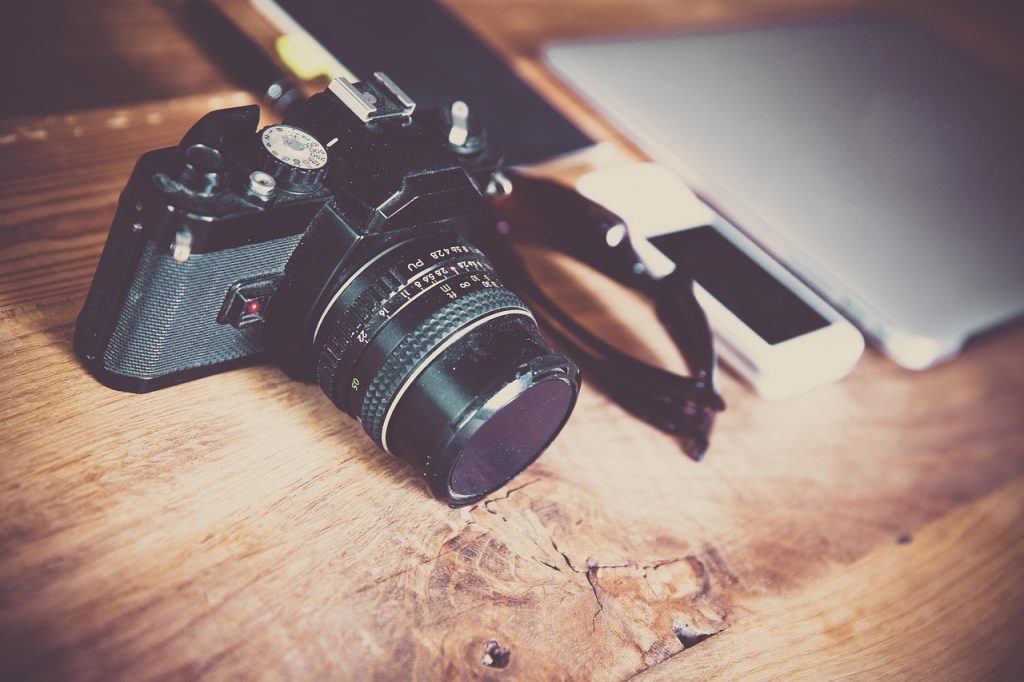
    · The Film Renaissance: Shooting with film is no longer just a nostalgic hobby; it’s a radical act of technological disobedience. A film camera forces you to slow down. With a limited number of exposures per roll, you compose carefully. You learn to read light without a screen to chimp on. The week-long wait for developed photos becomes a delightful surprise, a package of memories from a past self. The occasional light leak or missed focus isn’t a failure; it’s a unique signature, a reminder that beauty exists outside of pixel-perfect precision.
    · The Fixed-Lens Challenge: Even in the digital realm, you can embrace analog constraints. Take your high-tech mirrorless camera, mount a single prime lens (a 35mm or 50mm), and leave the rest of your gear at home. This limitation forces you to move your feet, to see the world from a fixed perspective, and to master composition with the tools you have, not the ones you wish you had. It’s a creativity workout that no amount of computational photography can replicate.

    The greatest feature of a modern smartphone is its ability to be anything. This is also its greatest curse. The Analog Resistance fights back by deliberately reducing its capabilities.

    · The Dumbphone Experiment: For a weekend, or even just one day a week, try using a minimalist “dumbphone” like the Light Phone or a revived Nokia classic. It can’t load Instagram, it can’t doomscroll the news, and its camera is, at best, a nostalgic novelty. The initial withdrawal is real, but it’s followed by an incredible sense of mental clarity. You notice the world around you. You talk to people. You are, by default, more present. It’s the ultimate digital detox.
    · The Smartphone Stripped Down: If a dumbphone is too extreme, perform digital surgery on your smartphone. Delete all social media, news, and entertainment apps. Use the browser for essential checks if you must. Turn your $1,000 supercomputer into a glorified communication device: a telephone, a text messenger, and a map. You’ll be shocked at how much time and mental energy you reclaim when your pocket computer stops screaming for your attention.

    The Notebook That Never Crashes: The Unbeatable Productivity Tool

    In a world of cloud sync and collaborative digital workspaces, the humble paper notebook remains undefeated. Its benefits are not just romantic; they are neurological.

    · The Cognitive Advantage of Longhand: Studies consistently show that writing by hand engages the brain more deeply than typing. It improves memory retention and encourages the synthesis of ideas rather than mere verbatim transcription. Your Moleskine or Field Notes notebook is a distraction-free sanctuary for your best thinking. It has infinite battery life, boots instantly, and has a user interface so intuitive it requires no tutorial.
    · The Power of the Analog System: Tools like the Bullet Journal method demonstrate that a paper-based system can be more flexible and personally tailored than any rigid digital app. It adapts to you, not the other way around. Migrating tasks by hand each week or month forces a valuable review process that an automated drag-and-drop interface skips entirely. The friction is the feature.

    The Joy of Unoptimized Hobbies

    The Analog Resistance extends beyond our core tech tools into how we spend our leisure time. It champions hobbies that have no leaderboard, no optimization strategy, and no digital component.

    · Working with Your Hands: Gardening, woodworking, knitting, or repairing something mechanical. These activities provide a tangible, visceral satisfaction that swiping on a screen cannot match. The learning curve is physical, the mistakes are real, and the final product is something you can hold—a quiet testament to your patience and skill.
    · The Unplugged Experience: Go for a walk without your phone. Listen to an entire album on vinyl, without skipping tracks. Read a physical book, feeling the weight of the pages and the smell of the paper. These are acts of deliberate focus, rejecting the fractured, multi-tasking nature of our default digital consumption.

    The Balanced Ecosystem

    The goal of the Analog Resistance is not to smash your gadgets with a Luddite’s hammer. It’s about creating a balanced ecosystem. Let your high-tech laptop handle the heavy lifting of video editing and data analysis. Let your smartphone be a powerful communication and research tool when you need it.

    But alongside them, let your film camera teach you patience. Let your notebook hold your most precious ideas. Let your dumbphone give you a day of peace. In the tension between the analog and the digital, we find a more mindful, intentional, and ultimately more human way to live. The most sophisticated tech stack, it turns out, might just have a pencil at its center.

  • The Tech of Small Joys: Finding Delight in a World of Specs

    The Tech of Small Joys: Finding Delight in a World of Specs

    In the relentless pursuit of the best—the fastest processor, the sharpest lens, the brightest screen—we often forget a simpler, more human metric: does it bring you joy? Our relationship with technology has become transactional, a series of tasks to be completed with maximum efficiency. But what about the devices that make you smile when you pick them up? The ones that feel good in the hand and make the process of using them a pleasure, not just a means to an end? It’s time to celebrate the tech of small joys.

    The Camera You Actually Want to Use

    Forget, for a moment, dynamic range and megapixels. The most joyful camera is the one that feels like an extension of your eye and your enthusiasm. It’s the camera that makes the act of photography itself a delight.

    · The Haptic Happiness of Physical Dials: There’s a profound satisfaction in the solid click-clunk of a physical shutter speed dial or a well-damped aperture ring. A camera like the Fujifilm X100V or an old film Nikon FE2 offers this. You’re not navigating a labyrinthine digital menu; you’re making tactile, intentional adjustments. This connection between your fingers and the function grounds you in the creative process. It’s the difference between turning a real volume knob and sliding a finger across a touchscreen.
    · The Freedom of a “Worse” Camera: Sometimes, the greatest joy comes from limitation. A cheap, plastic, vintage film camera from a thrift store forces you to let go of perfection. The lens might be soft, the light meter broken, but the experience is liberating. You shoot for the fun of it, for the surprise of seeing what you get back from the lab. It’s photography without the pressure, a reminder of why you fell in love with making images in the first place.

    The Phone That Serves You, Not the Algorithm

    Your phone is your constant companion. Shouldn’t it feel like a friendly one, not a demanding boss?

    · The Joy of a Silent Pocket: The most underrated feature on any modern smartphone is the physical mute switch. That tiny, tactile slider on the side of an iPhone or OnePlus device is a direct line to peace. Flipping it is a decisive, satisfying act that declares, “My attention is now my own.” It’s a small piece of analog control in a digital world, and it feels fantastic.
    · A Home Screen That Sparks Calm: The relentless barrage of red notification badges is a visual assault. The joyful phone is a curated one. It’s the phone where you’ve taken ten minutes to remove every app you don’t use daily, organized the rest into simple, clearly labeled folders, and chosen a beautiful, personal wallpaper that isn’t obscured by icon clutter. Looking at your phone should not induce anxiety; it should feel like glancing at a tidy, familiar desk.

    A joyful laptop isn’t the one that screams for attention with RGB lighting and aggressive angles. It’s the one that disappears, allowing you to become fully immersed in your work or play.

    · The Bliss of a Great Keyboard: The primary interface with your laptop is your fingertips. A shallow, mushy keyboard is a daily annoyance. A great keyboard—like those on a recent MacBook Air or a Lenovo ThinkPad—with just the right amount of travel and a satisfying, quiet click, is a source of constant, low-level pleasure. It makes the act of writing or coding feel fluid and responsive. You forget you’re typing and simply think.
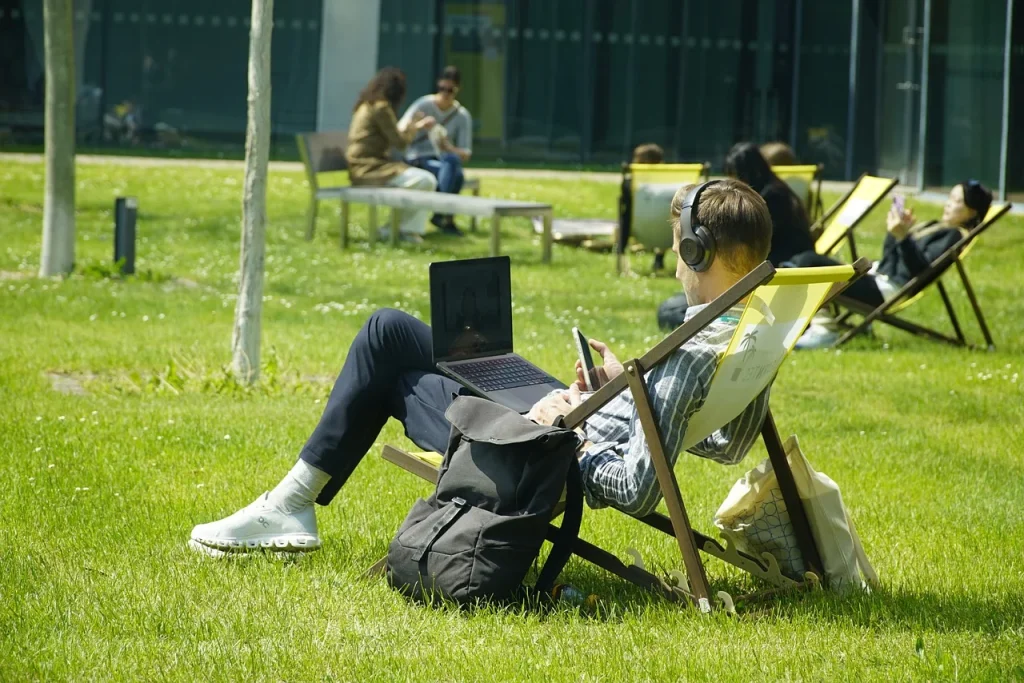
    · The Unseen Virtue of Battery Life: The ultimate joy a laptop can provide is the freedom from its own charger. A laptop that genuinely lasts a full workday, like one powered by an Apple Silicon chip or a modern AMD Ryzen processor, is transformative. It allows you to work from a couch, a café, or a park without the low-battery anxiety that tethers you to an outlet. This untethered freedom is a feature that pays dividends in peace of mind every single day.

    The Pursuit of Personal, Not Just Powerful

    The tech of small joys is deeply personal. For one person, it’s the warm, analog sound of vinyl records. For another, it’s the satisfying thunk of a high-quality mouse button. It’s not about having the most powerful tool, but the one that feels right in your hand and your life.

    So, the next time you consider a new gadget, don’t just ask what it can do. Ask how it feels. Does the act of using it bring a small, quiet smile to your face? In a world obsessed with specs and benchmarks, that simple, human question might be the most important review of all. Because the best technology isn’t just about what you accomplish with it; it’s about how it makes you feel along the way.

  • The Soulful Stack: Building a Tech Ecosystem That Feels Human Again

    The Soulful Stack: Building a Tech Ecosystem That Feels Human Again

    We’ve spent years optimizing our tech for speed, power, and efficiency. We’ve created seamless ecosystems, automated workflows, and unlocked computational capabilities that border on magic. Yet, a vague sense of emptiness often lingers. Our devices are smarter than ever, but our interaction with them feels increasingly sterile and transactional. It’s time for a new goal: to build a tech stack not for a more productive life, but for a more soulful one.

    This isn’t about rejecting technology. It’s about choosing and using it in a way that reconnects us to our humanity, our creativity, and the physical world. It’s about finding the tools that don’t just get the job done, but make the process of doing it feel rewarding.

    The Tools of Memory, Not Just Storage

    Our devices have become infinite, chaotic attics of our lives. We have thousands of photos we never look at, languishing in the cloud. This is digital hoarding, not memory-keeping.

    · The Intentional Camera: The most soulful tool is one that encourages you to be present. A film camera, or a digital camera that mimics the experience (like a Fujifilm with its physical dials), forces deliberation. You have a limited number of shots. You think about light and composition. The act of taking the photo becomes a mindful event. The delay between taking the photo and seeing it—whether it’s developing film or curating a monthly photo book—reintroduces the joy of anticipation, a feeling that instant smartphone gratification has all but erased.
    · The Physical Archive: There is a profound difference between a photo on a screen and a photo in your hand. Use your powerful devices as the means to a tangible end. Create physical photo books of your annual highlights. Print your very best shots and frame them. These objects have weight, texture, and a presence that a digital file can never possess. They become anchors of memory in your home, not just pixels in a database.

    The modern digital environment is a festival of distraction. A soulful tech stack is designed to be boring, to fade away, and to create space for your mind to wander and create.

    · The Distraction-Free Writer: Your laptop can be a carnival of notifications or a monk’s cell for thought. Tools like iA Writer or Ulysses offer a clean, full-screen writing environment with no formatting bars or pop-ups. They are designed for one thing: getting words from your brain to the screen without friction. This is tech that serves the thought, not the platform.
    · The Analog Bridge: The most sophisticated productivity tool in your arsenal might be a notebook and a nice pen. The act of writing by hand is slow, linear, and engages the brain differently than typing. It’s perfect for brainstorming, journaling, and working through complex problems without the temptation to open a new tab. This isn’t a rejection of tech; it’s a strategic use of analog tools to enhance your digital output.

    The Tools of Connection, Not Just Communication

    We communicate more than ever, but true connection feels scarcer. Soulful technology facilitates richer, more human interaction.

    · The Music Player, Not the Algorithm: Instead of a passive, endless streaming radio station, create your own playlists. Curate a soundtrack for your life. This active act of selection is a form of self-expression. Listening to a full album, as the artist intended, is a more complete and satisfying experience than a shuffled mix of similar-sounding tracks.
    · The Shared Experience Portal: Use your laptop and TV for co-presence. Watch a movie with a distant friend using synchronized streaming and a video call. Play a digital board game. Have a video coffee chat where the goal isn’t agenda-driven, but simply to be in each other’s company. This uses technology to simulate the shared space we crave.

    The Ritual of Disconnection

    The final, and most important, component of a soulful stack is the “off” button. A stack that truly serves you is one you can walk away from without anxiety.

    · The Digital Sunset: Impose a hard stop on your workday. Close the laptop, and don’t just put it to sleep. Power it down. The ritual of shutting down the machine is a powerful psychological signal to your brain that work is over.
    · The Charging Sanctuary: Your bedroom should be for sleep and intimacy, not for charging electronics. Create a central charging station in your living room or kitchen. Your phone doesn’t belong on your nightstand. This single change can dramatically improve your sleep and your relationship with your devices.

    The Final Metric: How Does It Feel?

    Stop evaluating your technology by its specs. Start judging it by how it makes you feel.

    Does your camera inspire you to see the world more beautifully? Does your laptop help you enter a state of flow, or does it constantly interrupt you? Does your phone leave you feeling connected to people, or just drained?

    A soulful tech stack is deeply personal. It’s not the fastest or the newest. It’s the one that feels like a natural extension of your mind and heart—a collection of tools that empowers you to live a more present, creative, and connected life, both on and off the screen.